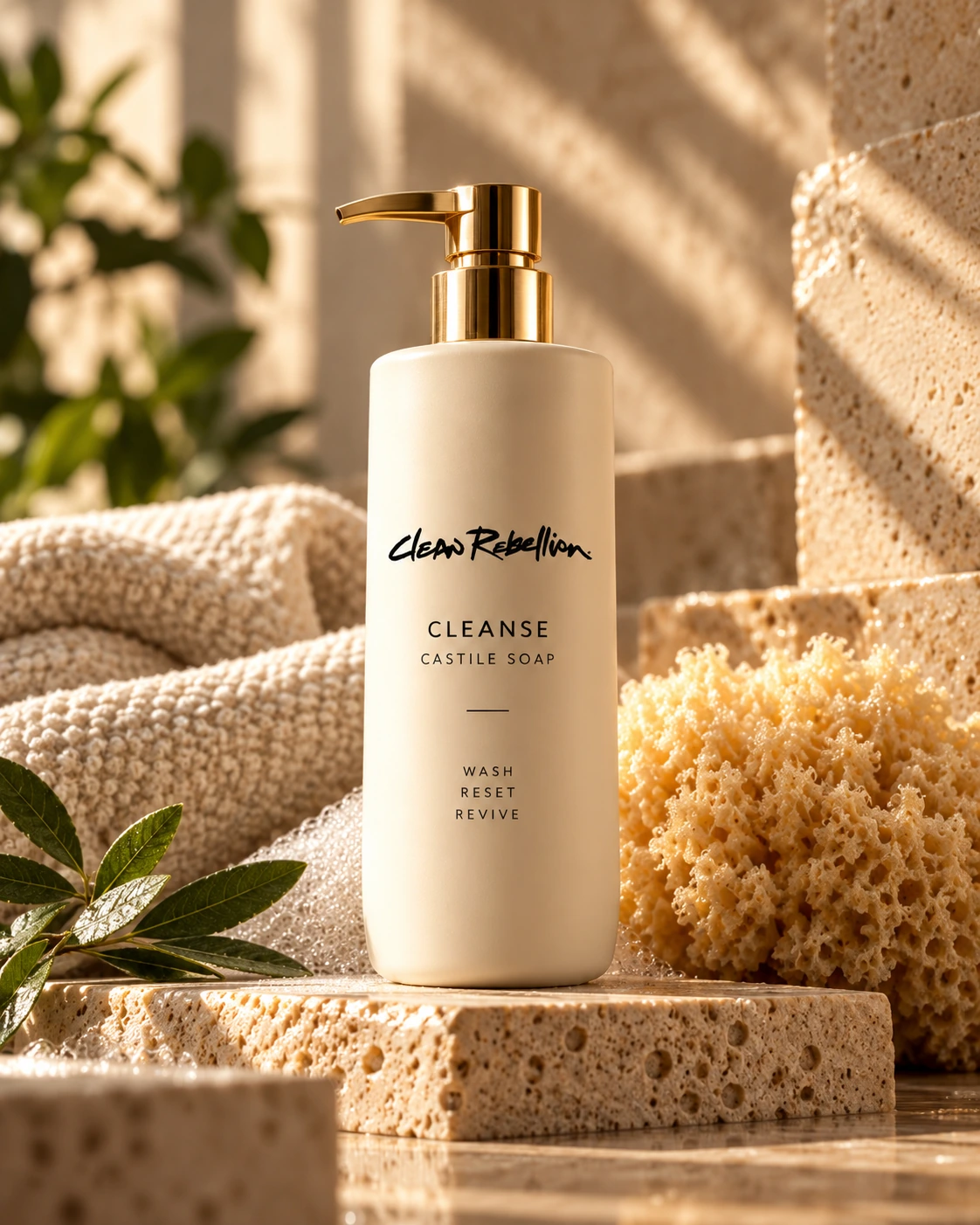
Castile soap describes a soap-making tradition, but the final cleansing experience depends on the ingredients, concentration, pH and how the product is used. The interesting part is what this means in an ordinary week, when people are managing full calendars, changing energy levels and a body that responds differently from day to day. Looking closely at the underlying mechanics can make the next decision considerably more useful than following a headline or copying a stranger's routine.
What is really happening
Ingredient literacy begins with the finished product rather than a single appealing word on the label. Dose, concentration, delivery method, accompanying ingredients and the use conditions all affect what a formulation can reasonably do. A study of an oral supplement does not establish what happens when a related substance is applied to intact skin. Similarly, a trial involving a specialized medical preparation does not validate every cosmetic bottle that uses the same botanical name. Product-specific evidence is the bridge that responsible claims need to cross. Castile soap describes a soap-making tradition, but the final cleansing experience depends on the ingredients, concentration, pH and how the product is used. To turn that broad idea into an individual decision, it helps to identify which part of the experience is actually changing. The answer may involve the exercise itself, the surrounding environment or the expectations we bring to it.
What the evidence can tell us
Research develops unevenly. Some ingredients have long-established roles in nutrition or skin structure; others are promising but supported primarily by laboratory work, very small trials or marketing extrapolation. An honest article should distinguish the strength of those situations and avoid implying that every emerging idea has already reached the consumer. When evaluating a claim, note whether researchers studied humans, whether the outcome was clinically meaningful and whether the product, exposure and population resemble the version being sold. Scientific support is also a question of study design. A plausible mechanism, a small pilot trial and a large controlled study answer different questions, so they should not be presented as interchangeable. Consider whether the researchers measured a meaningful outcome, whether results were replicated and whether the tested conditions resemble ordinary use. When information is incomplete, a measured description is more useful than confident certainty. Traditional soaps can be more alkaline than skin's natural surface environment; people with sensitive skin may prefer gentler alternatives.
Try this in a real week
Judge a wash by how skin feels afterward, how it rinses and whether the final ingredient list suits your needs, instead of relying on a single category name. The details of timing are often revealing. Notice when the problem appears, which clothes or environments are involved, and whether the solution fits a busy weekday as comfortably as a weekend. If you cannot repeat the step without reworking your entire schedule, it may be the wrong scale of intervention. Good routines are not necessarily the most ambitious ones; they are the ones that make a specific part of life easier to manage.
The part that lasts
There is also a distinction between a sensory outcome and a biological assertion. A formula may feel cooling, have a pleasing texture or make massage easier to perform without changing internal physiology. Those benefits can be meaningful in everyday bodycare, but they should be described as experiences unless stronger outcomes have been measured under appropriate conditions. Reading claims this way protects curiosity: there is room to enjoy an elegant product and to ask what the evidence really tells us. There is a small editorial discipline in leaving room for uncertainty. It makes it possible to enjoy what is pleasurable about a routine while continuing to learn what science does and does not support. The strongest choice is rarely the loudest one. It is the choice that matches your circumstances and remains useful after the novelty has faded.