Magnesium has become a familiar name in the recovery conversation. You will see it in capsules, nighttime routines, bath salts, and body products. Those formats are not interchangeable.
First, the mineral itself.
Magnesium is an essential nutrient involved in muscle and nerve function, protein synthesis, and many other processes. Food sources include leafy greens, legumes, seeds, and whole grains. Some people use supplements when their intake is insufficient or a clinician recommends them.
Magnesium glycinate is a supplemental form that combines magnesium with glycine. It is frequently marketed as gentle or calming, but an ingredient name alone does not establish that a product will improve sleep, prevent soreness, or speed recovery. Research questions depend on dose, population, and the specific outcome measured.
Look at elemental magnesium.
On an oral supplement label, the declared magnesium amount refers to elemental magnesium, not the total weight of the compound. More is not automatically better. Supplements can cause gastrointestinal effects and may interact with some medicines. People with kidney problems should seek medical advice before supplementing.
What about topical magnesium?
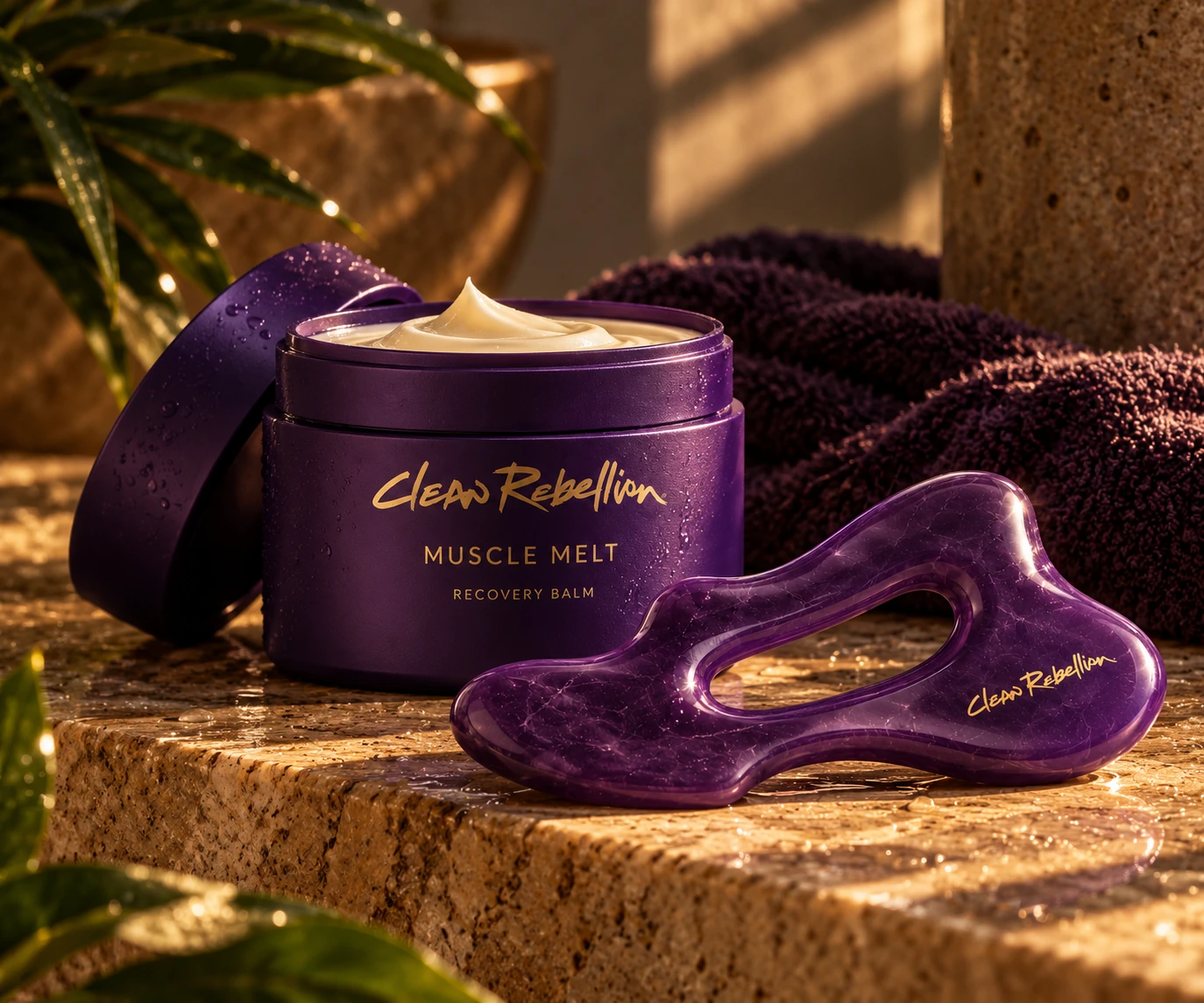
Topical magnesium products are often sold as recovery aids, but evidence that they meaningfully replenish magnesium stores through intact skin is limited. A massage product can still feel pleasant because of its texture, scent, and the act of massage. That sensory benefit is different from proving mineral absorption or pain relief.
Our approach is to keep product claims proportional to the evidence and to distinguish a pleasant daily experience from a clinically demonstrated effect.
The questions behind the routine
The skin is an active barrier, and the effects of a product depend partly on the person using it. Dermatology guidance repeatedly highlights the importance of tolerated cleansing, moisturizing and recognizing irritation from fragrance or other ingredients. Botanical origin does not guarantee safety, while an unfamiliar active is not necessarily necessary for a good daily experience. People with reactive or eczema-prone skin may require extra care in choosing and testing formulations. An attractive ingredient story should never be an excuse to overlook that practical reality.
How to make an informed choice
Compare the evidence for oral magnesium nutrition against the weaker research surrounding absorption through skin, and look carefully at the dose on a supplement label. A practical test begins before the next purchase or class booking. Describe the actual problem in ordinary language, identify what would count as improvement and choose the smallest adjustment that could plausibly help. If the issue involves persistent pain or an unusual skin reaction, that decision may be to seek professional guidance rather than experimenting with another product. For everyday habits, a written note after several sessions can be more informative than a dramatic first impression.
What still needs care
Magnesium is an essential mineral, but a body balm cannot claim to correct deficiency or improve recovery without product-specific evidence. The strongest claims should survive a few straightforward questions: Who was studied, compared with what, for how long, and with what outcome? A product can be attractively made and still lack evidence for a particular medical promise. This is especially important in wellness marketing, where words such as restore, optimize and rebalance can sound scientific without stating what was actually measured. Taken together, these considerations suggest a different standard for everyday care. Pay attention to what changes the quality of your day, use public-health and clinical guidance where it applies, and recognize when a personal preference is simply a preference. That is enough to build a thoughtful practice without treating every new wellness claim as a command.