The shower after a workout might be the most underrated part of the routine. It is a chance to clear sweat from the skin, settle back into the day, and take care of the places that carried you through class.
First, get out of damp clothes.
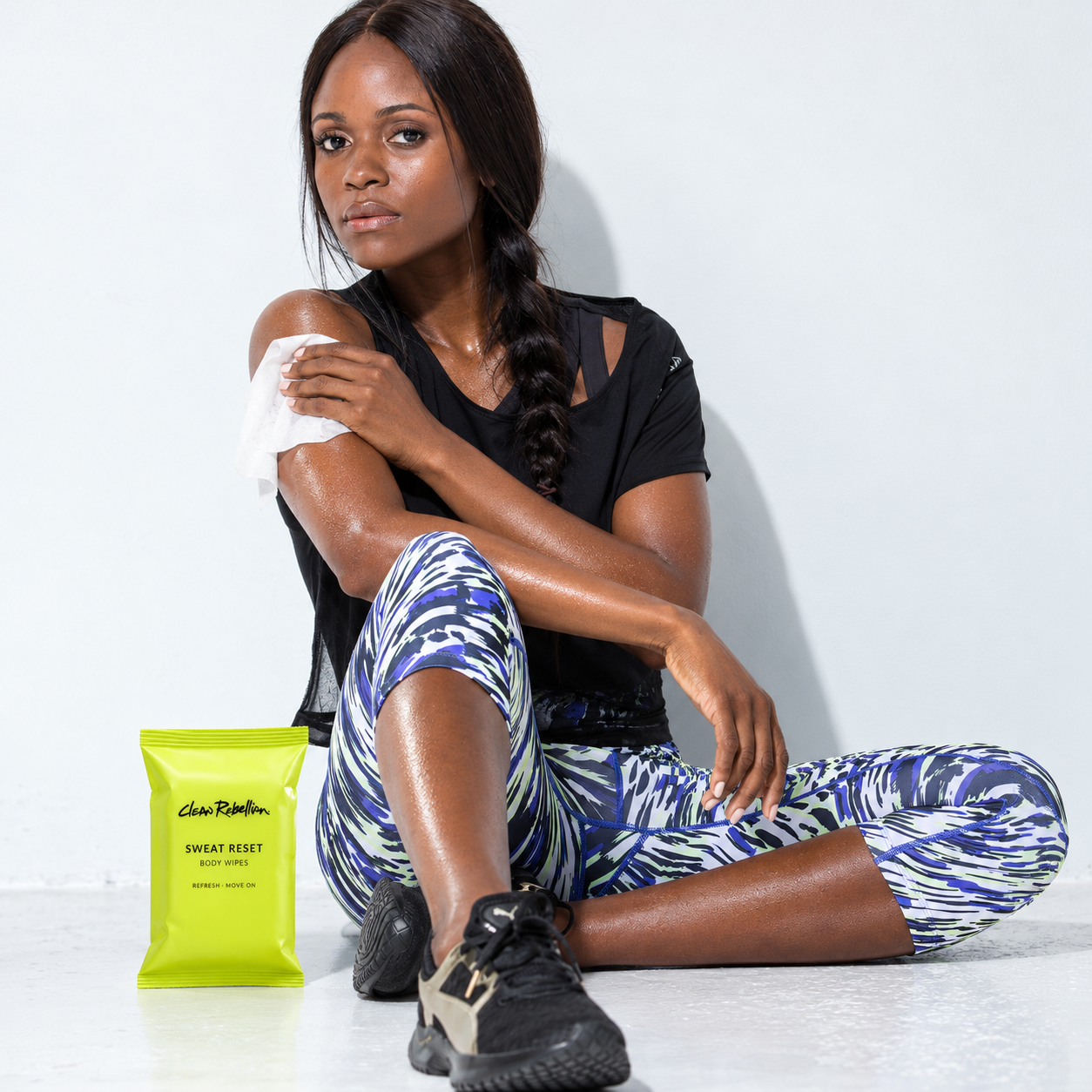
Sweat, friction, and tight clothing can contribute to irritation. Changing out of wet activewear soon after exercise is a practical way to give skin a break. If you cannot shower straightaway, gently pat sweat away with a clean towel and change into dry clothes when possible.
Then, cleanse without scrubbing.
Use lukewarm water and a cleanser your skin tolerates. A hard scrub is not required for a good clean, and strong fragrance or aggressive exfoliation may not suit sensitive skin. For some people, a mild cleanser is the most useful product in the bathroom.
Afterward, pat skin dry and follow with moisturizer if your skin feels tight. If you have persistent rashes, painful breakouts, or irritation, a dermatologist can help you work out what is happening.
Make the routine enjoyable.
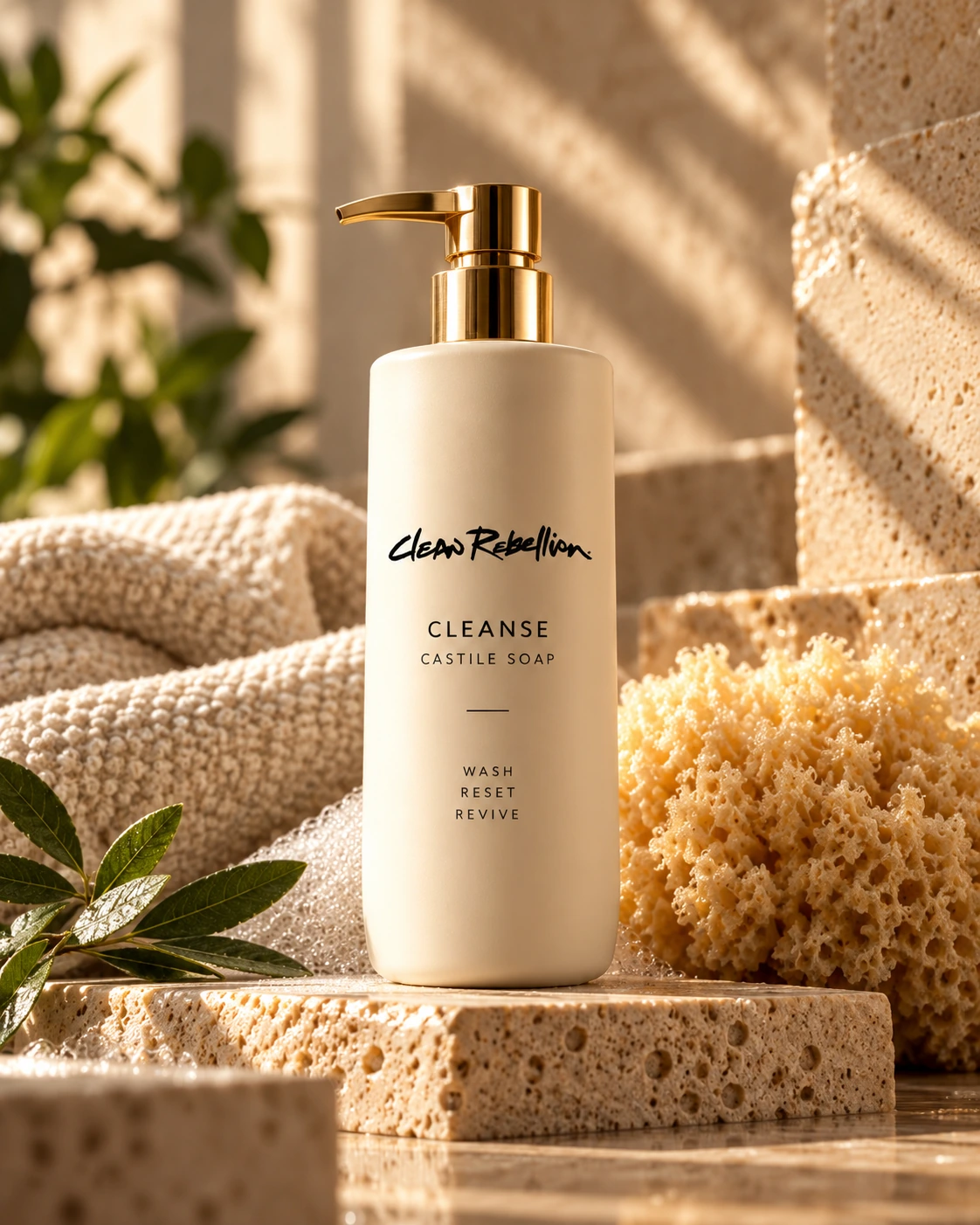
A good bottle, a pleasing texture, and two minutes to yourself can make an everyday shower feel intentional. Our Cleanse concept is designed around that idea: a straightforward wash that belongs to the ritual, not a complicated extra step.
The questions behind the routine
Dermatologists draw distinctions that advertising often blurs. Dryness, friction irritation, allergy and inflammatory skin conditions can look similar to a shopper but call for different responses. The American Academy of Dermatology notes that even naturally derived cosmetics can cause contact reactions, and recommends testing new products cautiously when the skin is sensitive. A brand can describe a wash as refreshing or a balm as comfortable without claiming that it prevents a disease or permanently changes the microbiome.
How to make an informed choice
Change out of damp clothes when practical, wash with a product your skin tolerates and moisturize if skin becomes dry or tight. A useful comparison puts cost, accessibility and tolerability alongside any promised result. Look at what an item or activity requires after the initial excitement: refills, appointments, specialized equipment, extra cleaning or additional time. A lower-cost adjustment sometimes addresses the same practical problem. If a new approach genuinely improves comfort or participation, you can make a more informed decision about keeping it.
What still needs care
People with eczema or persistent acne may need more specific routines than general advice can provide. Scientific support is also a question of study design. A plausible mechanism, a small pilot trial and a large controlled study answer different questions, so they should not be presented as interchangeable. Consider whether the researchers measured a meaningful outcome, whether results were replicated and whether the tested conditions resemble ordinary use. When information is incomplete, a measured description is more useful than confident certainty. There is a small editorial discipline in leaving room for uncertainty. It makes it possible to enjoy what is pleasurable about a routine while continuing to learn what science does and does not support. The strongest choice is rarely the loudest one. It is the choice that matches your circumstances and remains useful after the novelty has faded.