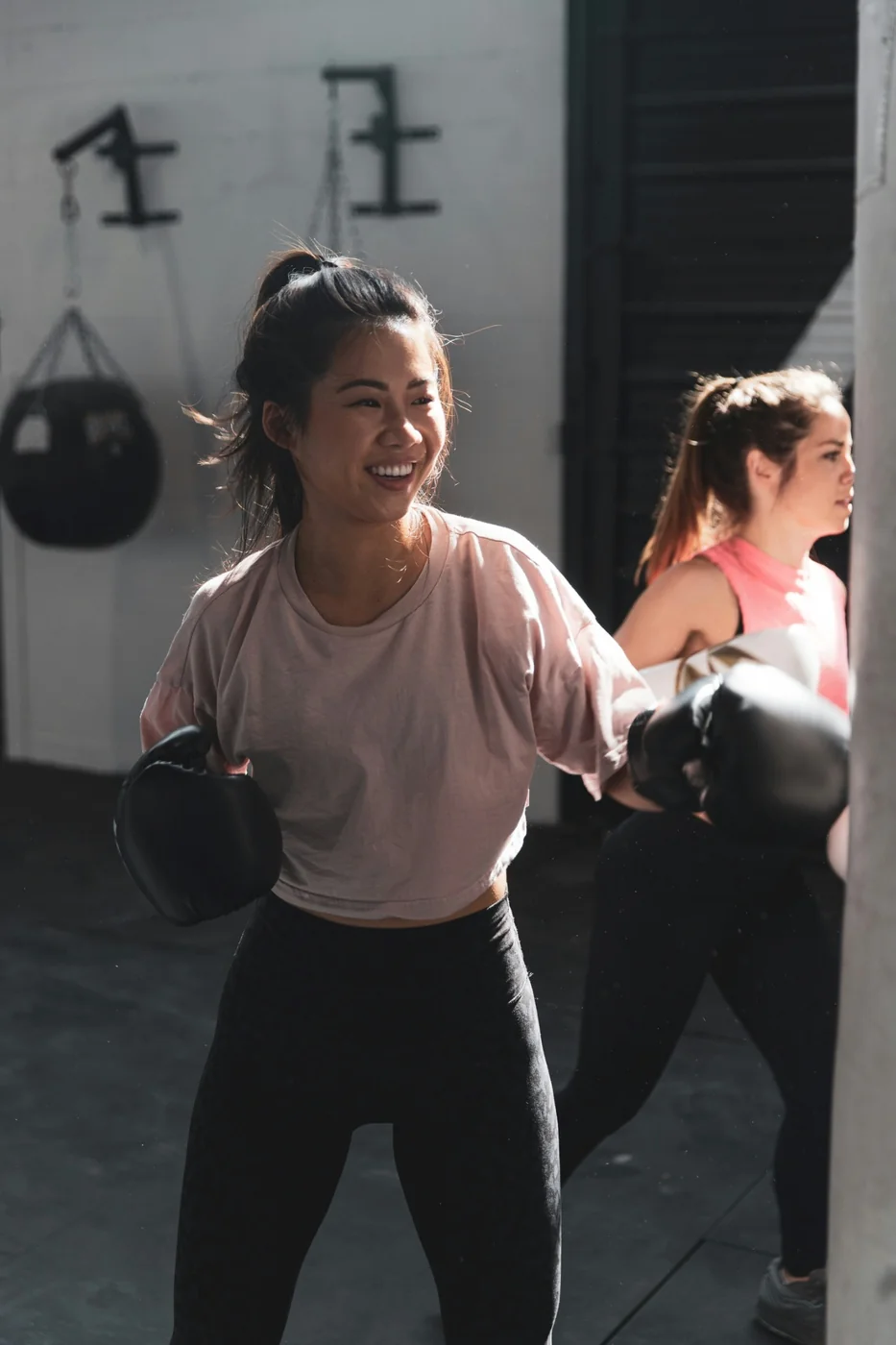
On-demand fitness apps have made instruction available outside studio schedules, while also multiplying reminders, streaks and metrics. The interesting part is what this means in an ordinary week, when people are managing full calendars, changing energy levels and a body that responds differently from day to day. Looking closely at the underlying mechanics can make the next decision considerably more useful than following a headline or copying a stranger's routine.
What is really happening
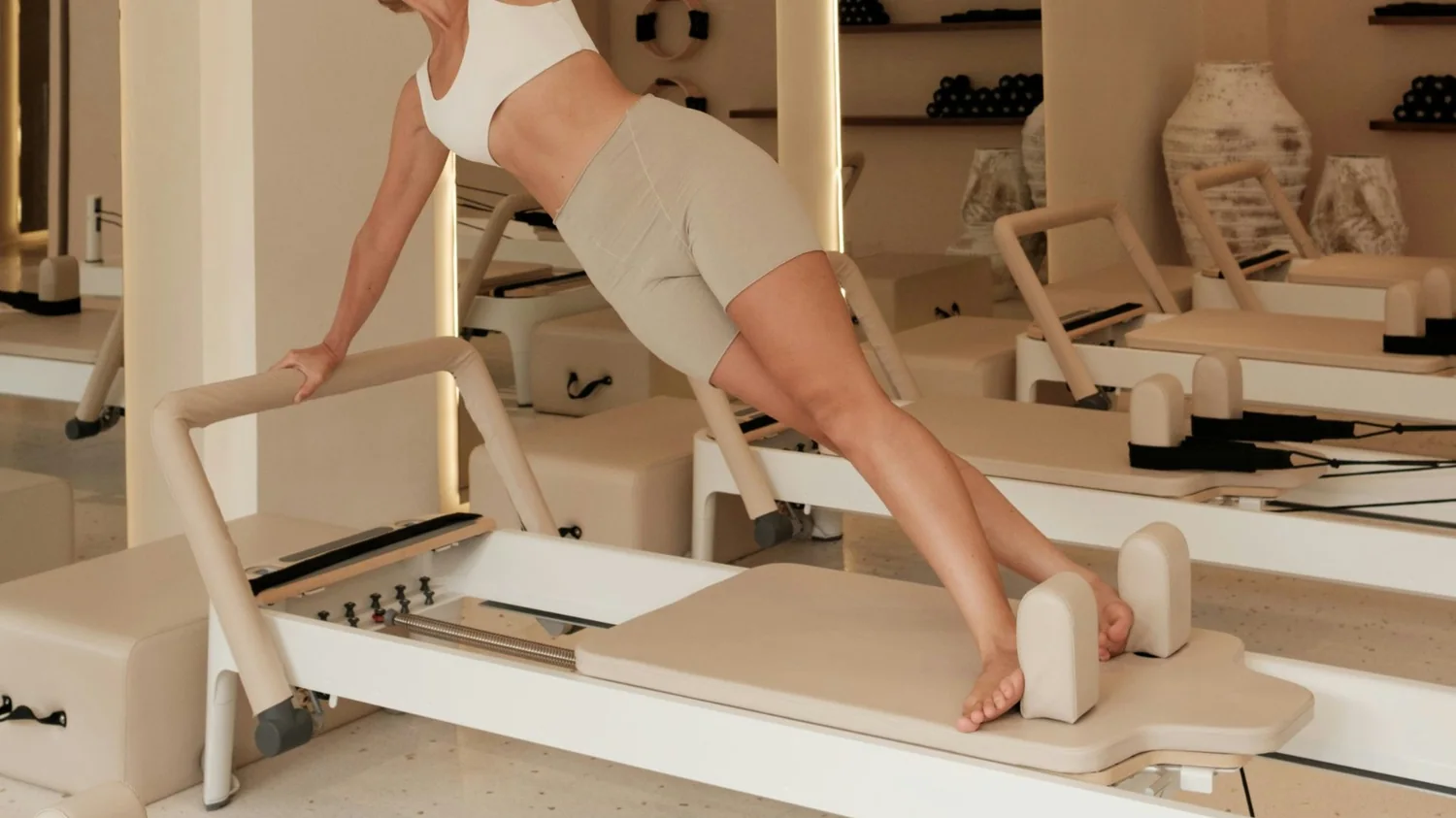
Fitness culture increasingly sells experiences as well as exercise. The ACSM 2026 trends include mobile apps, wearable technology and adult recreation clubs, alongside traditional strength work and balance-centered training. Those categories reveal how many ways people now enter the movement economy. They do not reveal whether a particular product, studio or online community creates a lasting habit for an individual. The useful question is what the format makes easier: access, instruction, belonging or sensible progression. On-demand fitness apps have made instruction available outside studio schedules, while also multiplying reminders, streaks and metrics. To turn that broad idea into an individual decision, it helps to identify which part of the experience is actually changing. The answer may involve the exercise itself, the surrounding environment or the expectations we bring to it.
What the evidence can tell us
Social movement also raises questions of access. Studio fees, class times, transportation and comfort in unfamiliar spaces can shape who participates. A thriving community does more than produce beautiful photographs: it communicates clearly, accommodates varied capacities and treats newcomers with respect. When brands talk about inclusion, the reality is visible in pricing, instruction and the small choices made at the beginning and end of an activity. The strongest claims should survive a few straightforward questions: Who was studied, compared with what, for how long, and with what outcome? A product can be attractively made and still lack evidence for a particular medical promise. This is especially important in wellness marketing, where words such as restore, optimize and rebalance can sound scientific without stating what was actually measured. Digital guidance is not individualized clinical care, and form feedback is limited when no knowledgeable instructor can see how you move.
Try this in a real week
Use an app for a specific need, such as learning a sequence or logging a program, then turn off prompts that encourage unnecessary comparison. The details of timing are often revealing. Notice when the problem appears, which clothes or environments are involved, and whether the solution fits a busy weekday as comfortably as a weekend. If you cannot repeat the step without reworking your entire schedule, it may be the wrong scale of intervention. Good routines are not necessarily the most ambitious ones; they are the ones that make a specific part of life easier to manage.
The part that lasts
It is possible to value movement without allowing it to become an identity test. A class can be challenging and socially rewarding at the same time, yet constant comparison, financial pressure or a rigid ideal can make participation less inviting. Community, flexibility and a trusted instructor often influence whether someone wants to return. That is an editorial question as much as a commercial one: what conditions make the activity feel available to the people who would benefit from it? Taken together, these considerations suggest a different standard for everyday care. Pay attention to what changes the quality of your day, use public-health and clinical guidance where it applies, and recognize when a personal preference is simply a preference. That is enough to build a thoughtful practice without treating every new wellness claim as a command.