A good trend is not always a new product. Sometimes it is a new reason to show up. The most interesting shifts in fitness this year are about technology, connection, and finding movement that fits more kinds of lives.
Wearables are still everywhere.
ACSM ranked wearable technology at the top of its 2026 fitness trends. Watches and sensors can provide useful information about activity patterns, but the numbers still need context. A readiness score cannot know everything about your day or your health.
Pilates and balance keep growing.
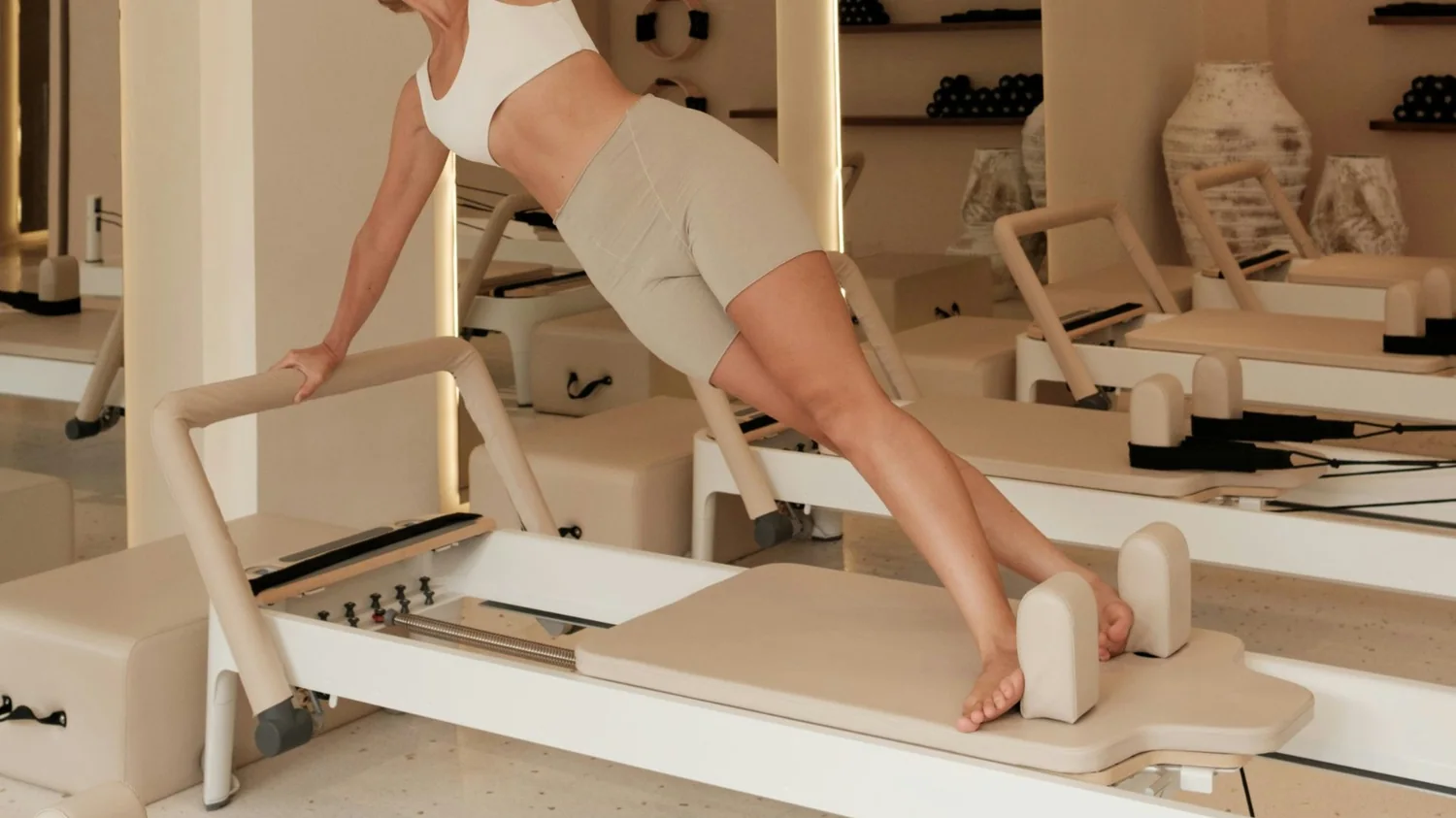
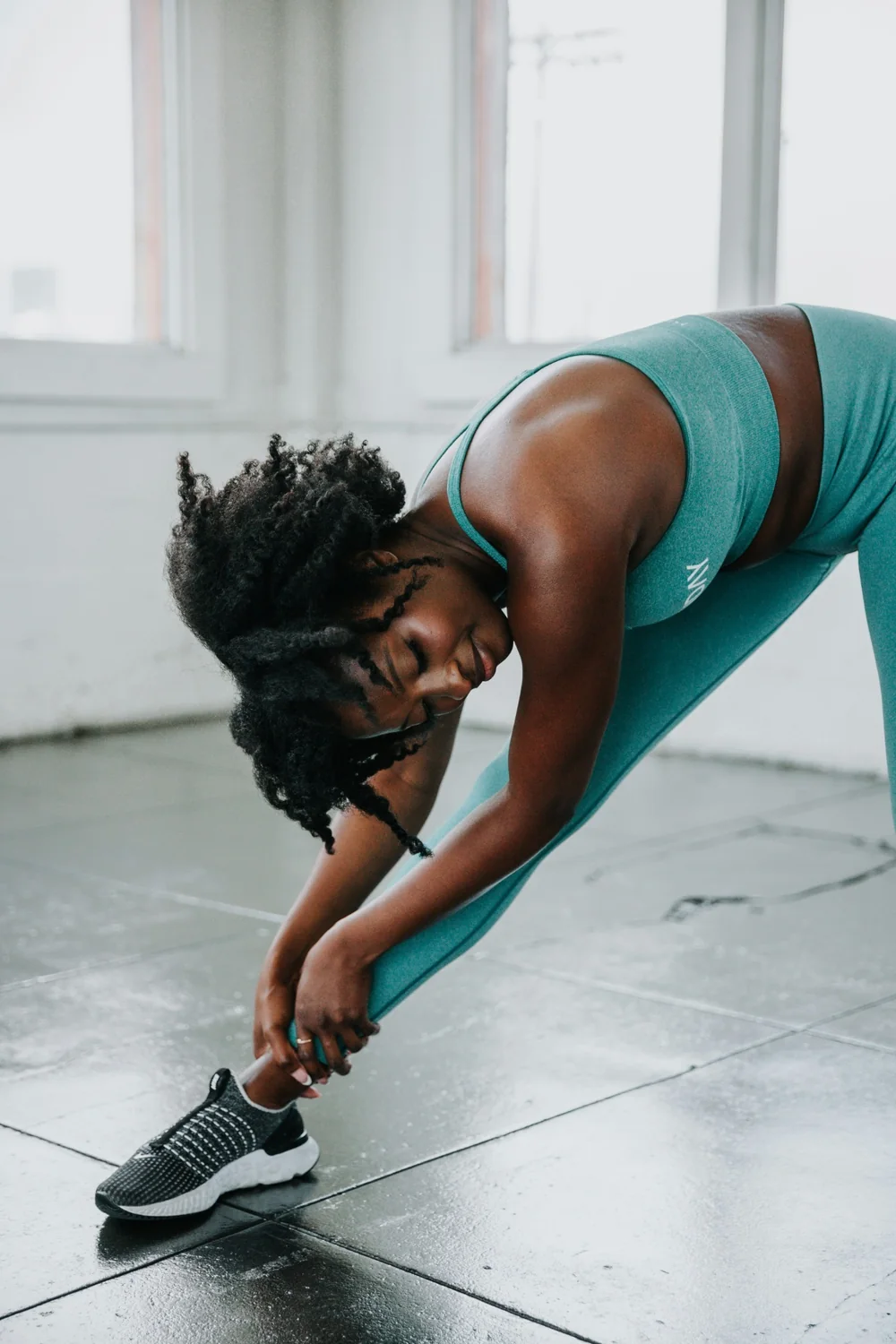
Balance, flow, and core strength also feature on the list. There is demand for workouts that combine control, coordination, and strength, especially when people can adjust intensity to match their experience.
Community is making a comeback.
Running clubs, recreational sports, and group movement offer something an app cannot always provide: familiar faces, a shared ritual, and a reason to leave the house. Not every activity has to be an optimization project. Sometimes the social part is the whole point.
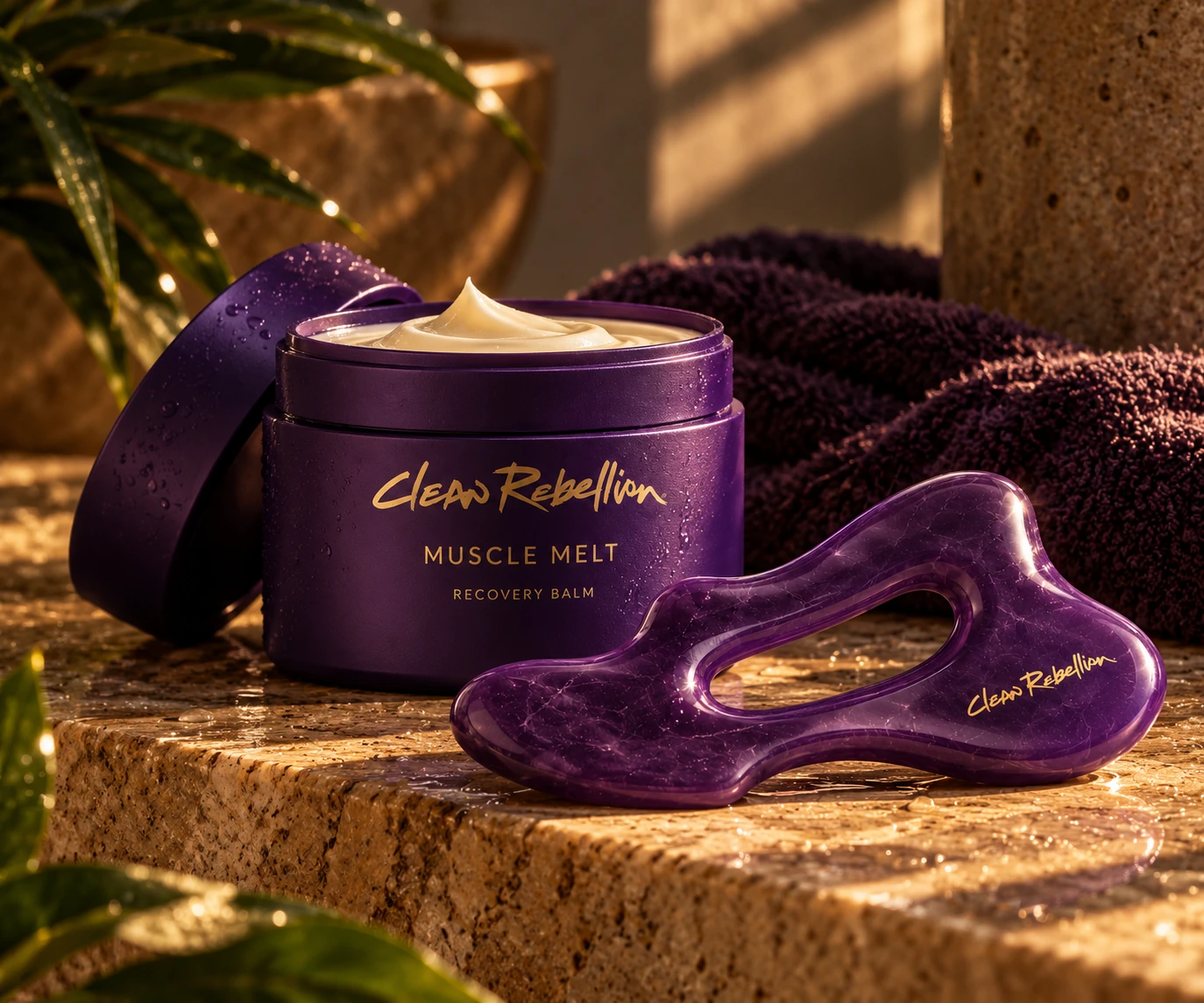
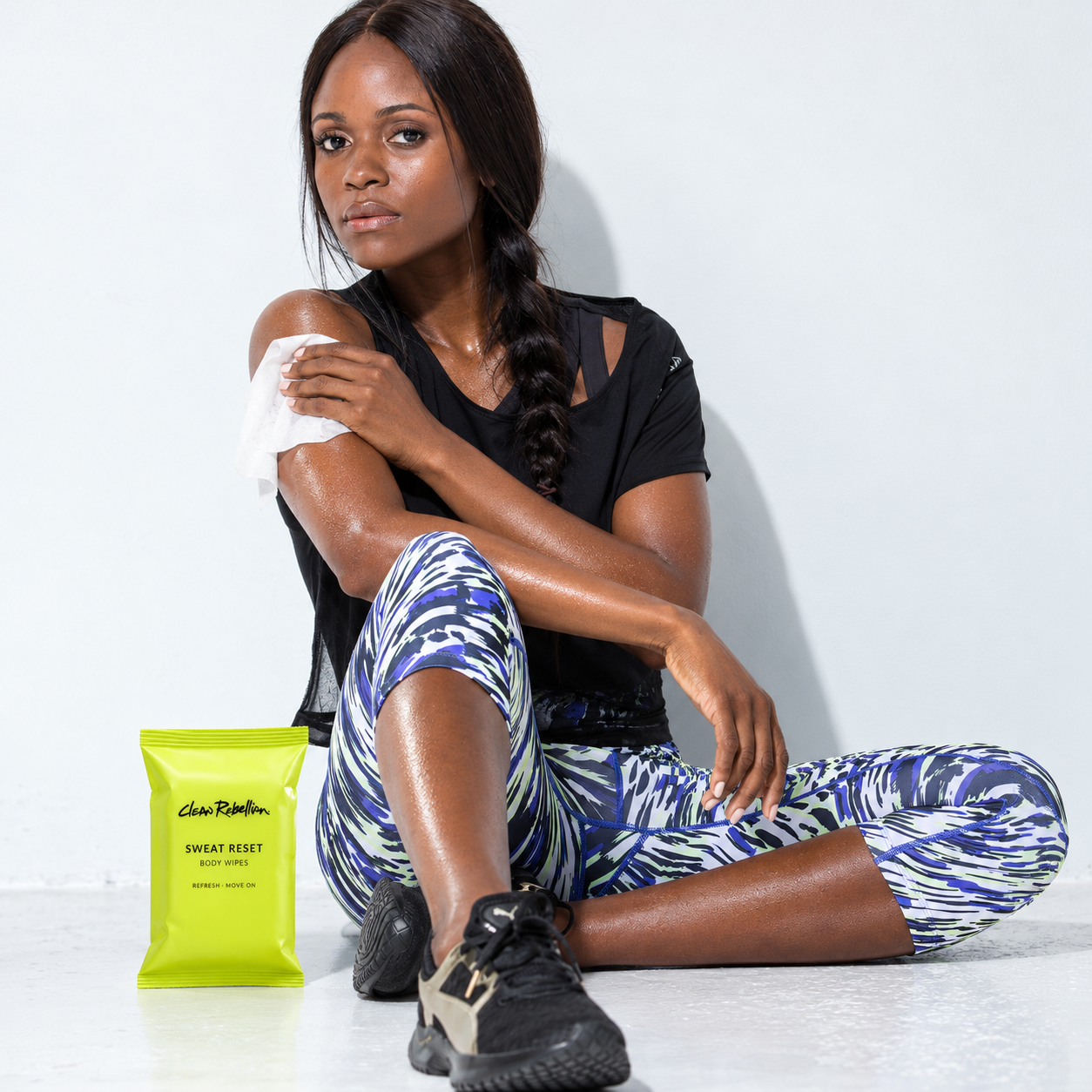
The brand opportunity is to support that life, from the studio and the run club to the shower and whatever comes next. Movement is as much culture as it is exercise.
The questions behind the routine
Fitness culture increasingly sells experiences as well as exercise. The ACSM 2026 trends include mobile apps, wearable technology and adult recreation clubs, alongside traditional strength work and balance-centered training. Those categories reveal how many ways people now enter the movement economy. They do not reveal whether a particular product, studio or online community creates a lasting habit for an individual. The useful question is what the format makes easier: access, instruction, belonging or sensible progression.
How to make an informed choice
Read the American College of Sports Medicine list as a guide to where fitness is evolving, then ask what will actually help you show up. One useful experiment is to change a single variable for two or three weeks and notice the result. Hold the rest of the routine reasonably steady, then assess comfort, consistency and whether the change solves the problem you identified. That approach makes it easier to distinguish the effect of a sensible adjustment from the excitement of trying something new. It also gives you permission to stop when an addition creates more work than value.
What still needs care
Popularity in a trend survey does not prove that every associated product or class is effective. Evidence is rarely a single yes-or-no label. Studies may point in different directions because populations, methods, doses or outcomes are different. That does not require abandoning every promising idea, but it does call for proportionate language. Consumers deserve to know whether a benefit has been shown for the precise application under discussion or inferred from something only loosely related. A useful routine grows through observation rather than reinvention. Notice what gives you confidence to move again, what is easy to maintain and what deserves more careful investigation. When a product, practice or class can answer those questions clearly, it has a stronger reason to remain part of your week.