A wipe can be useful for removing visible sweat and surface residue when a shower is unavailable, but phrases about detoxification or restoring biology need evidence. The interesting part is what this means in an ordinary week, when people are managing full calendars, changing energy levels and a body that responds differently from day to day. Looking closely at the underlying mechanics can make the next decision considerably more useful than following a headline or copying a stranger's routine.
What is really happening
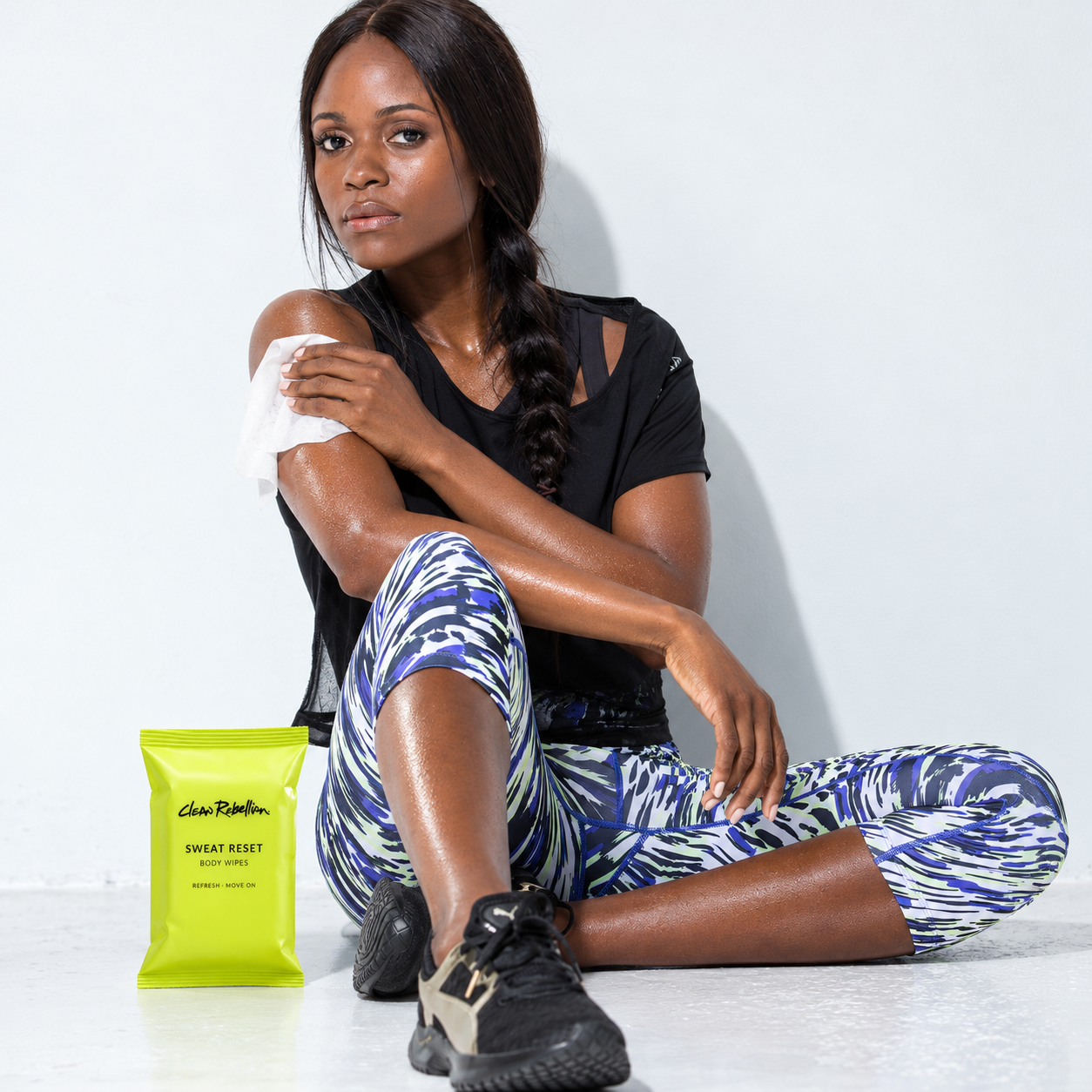
Dermatologists draw distinctions that advertising often blurs. Dryness, friction irritation, allergy and inflammatory skin conditions can look similar to a shopper but call for different responses. The American Academy of Dermatology notes that even naturally derived cosmetics can cause contact reactions, and recommends testing new products cautiously when the skin is sensitive. A brand can describe a wash as refreshing or a balm as comfortable without claiming that it prevents a disease or permanently changes the microbiome. A wipe can be useful for removing visible sweat and surface residue when a shower is unavailable, but phrases about detoxification or restoring biology need evidence. To turn that broad idea into an individual decision, it helps to identify which part of the experience is actually changing. The answer may involve the exercise itself, the surrounding environment or the expectations we bring to it.
What the evidence can tell us
The outer skin barrier matters particularly when sportswear stays close to the body. A repeated point of contact at a seam or bra band may cause more trouble than the overall length of a workout. Similarly, overzealous scrubbing can compound irritation after perspiration. Before purchasing multiple actives, it makes sense to identify where discomfort happens and what changes with fabric, fit, temperature or cleansing habits. A well-chosen product can support that practical work but cannot compensate for every source of rubbing. Scientific support is also a question of study design. A plausible mechanism, a small pilot trial and a large controlled study answer different questions, so they should not be presented as interchangeable. Consider whether the researchers measured a meaningful outcome, whether results were replicated and whether the tested conditions resemble ordinary use. When information is incomplete, a measured description is more useful than confident certainty. A wipe is not automatically a disinfectant and a claim to rebalance the microbiome or pH needs product-specific testing.
Try this in a real week
Look at what the product actually promises, how it is meant to be disposed of, and whether its formula is suitable for your skin. A useful comparison puts cost, accessibility and tolerability alongside any promised result. Look at what an item or activity requires after the initial excitement: refills, appointments, specialized equipment, extra cleaning or additional time. A lower-cost adjustment sometimes addresses the same practical problem. If a new approach genuinely improves comfort or participation, you can make a more informed decision about keeping it.
The part that lasts
A minimal routine is often easier to adjust because fewer variables change at once. If new itching appears, it is useful to know whether the trigger might have been a detergent, a tight garment, a fragranced formula or a training change. Keeping a record of what was introduced can make conversations with a dermatologist more productive. These habits are not dramatic, but they put skin comfort on practical ground and reduce the temptation to chase every new treatment promise. There is a small editorial discipline in leaving room for uncertainty. It makes it possible to enjoy what is pleasurable about a routine while continuing to learn what science does and does not support. The strongest choice is rarely the loudest one. It is the choice that matches your circumstances and remains useful after the novelty has faded.