A return after illness, travel or a busy season often calls for rebuilding tolerance rather than immediately reproducing a previous personal best. The interesting part is what this means in an ordinary week, when people are managing full calendars, changing energy levels and a body that responds differently from day to day. Looking closely at the underlying mechanics can make the next decision considerably more useful than following a headline or copying a stranger's routine.
What is really happening
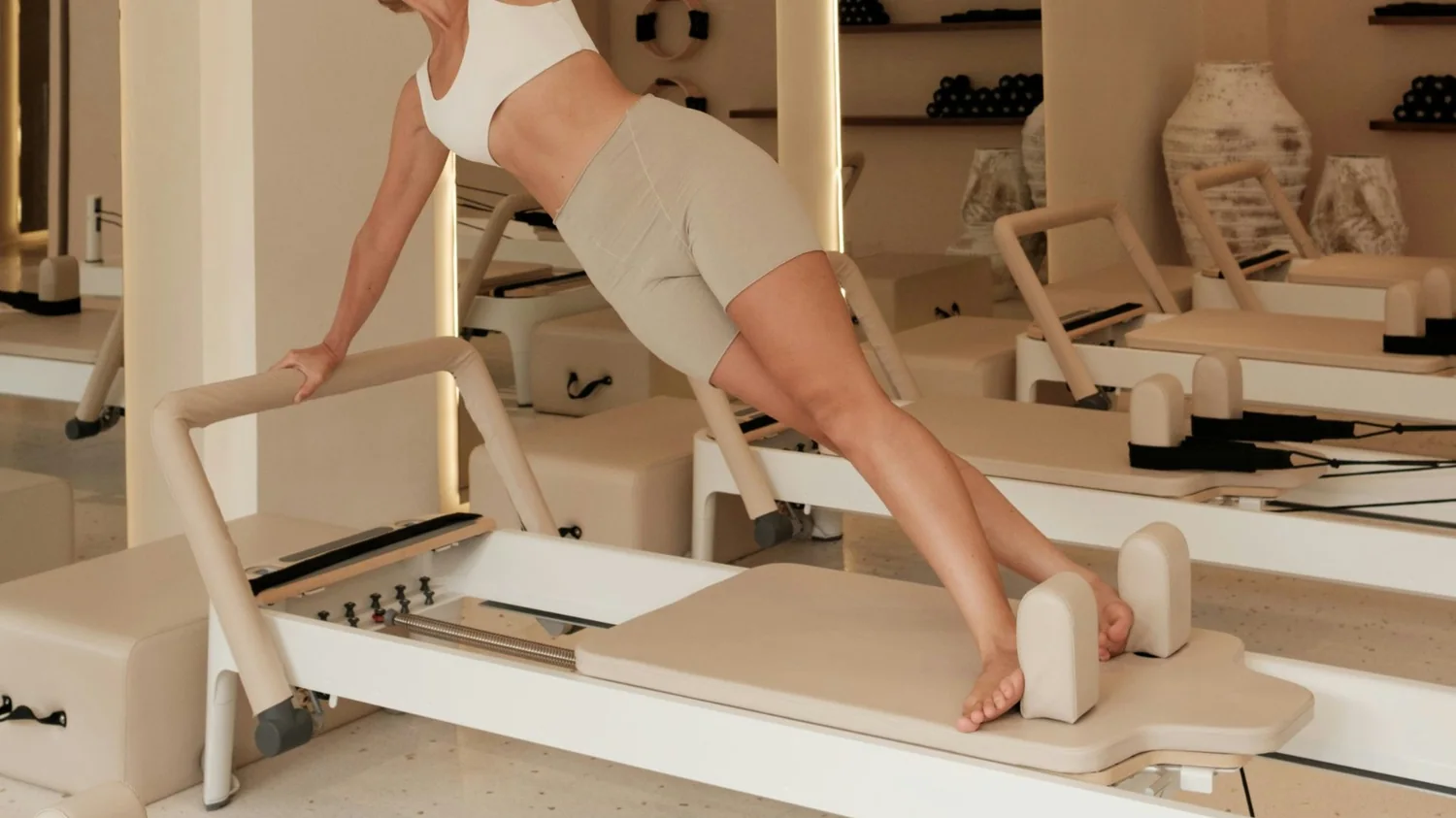
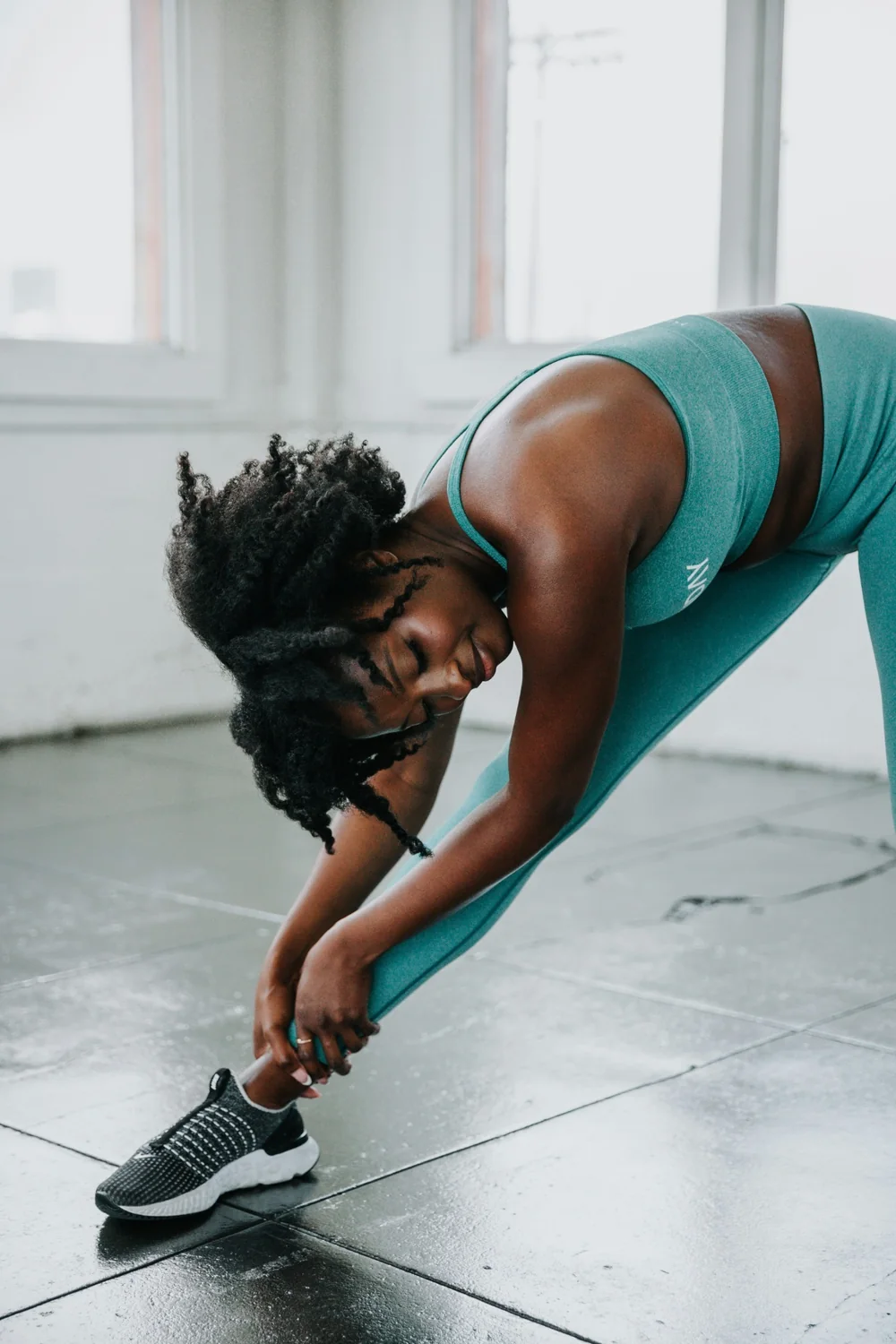
Training is a mixture of demands, not a single personality type. The CDC recommends that most adults work toward at least 150 minutes of moderate-intensity aerobic activity each week, together with muscle-strengthening work on two days. Those recommendations are a useful public-health reference, although they do not dictate that every workout must look the same. Walking, strength work, dance and studio classes can occupy different places in a routine, and the right combination depends on ability, enjoyment and what can be repeated realistically. A return after illness, travel or a busy season often calls for rebuilding tolerance rather than immediately reproducing a previous personal best. To turn that broad idea into an individual decision, it helps to identify which part of the experience is actually changing. The answer may involve the exercise itself, the surrounding environment or the expectations we bring to it.
What the evidence can tell us
Progress is usually more ordinary than a dramatic before-and-after photograph suggests. A slightly longer comfortable walk, greater control in a familiar exercise or the ability to return to class without excessive fatigue can all signal adaptation. Exercise responses vary, and meaningful goals may include mood, recreation and daily function as well as athletic performance. Comparing one session with an influencer video tells you much less than observing your own work over an appropriate span of time. Evidence is rarely a single yes-or-no label. Studies may point in different directions because populations, methods, doses or outcomes are different. That does not require abandoning every promising idea, but it does call for proportionate language. Consumers deserve to know whether a benefit has been shown for the precise application under discussion or inferred from something only loosely related. Extended illness, persistent symptoms and injuries can require professional guidance; standard progression rules should not be forced onto every situation.
Try this in a real week
Shorten the first few sessions, choose familiar movements, and leave something in reserve while you assess how your body responds. One useful experiment is to change a single variable for two or three weeks and notice the result. Hold the rest of the routine reasonably steady, then assess comfort, consistency and whether the change solves the problem you identified. That approach makes it easier to distinguish the effect of a sensible adjustment from the excitement of trying something new. It also gives you permission to stop when an addition creates more work than value.
The part that lasts
Exercise becomes easier to assess when the question changes from how dramatic a session felt to what it asked the body to do. Some forms build aerobic capacity by keeping large muscle groups working for a sustained period; others emphasize force production, balance, coordination or range of motion. A class may combine several of these elements, and the marketing name rarely tells the full story. Watch the actual work, consider how it complements other activities, and resist assuming that an impressive-looking sequence automatically suits your present capacity. A useful routine grows through observation rather than reinvention. Notice what gives you confidence to move again, what is easy to maintain and what deserves more careful investigation. When a product, practice or class can answer those questions clearly, it has a stronger reason to remain part of your week.