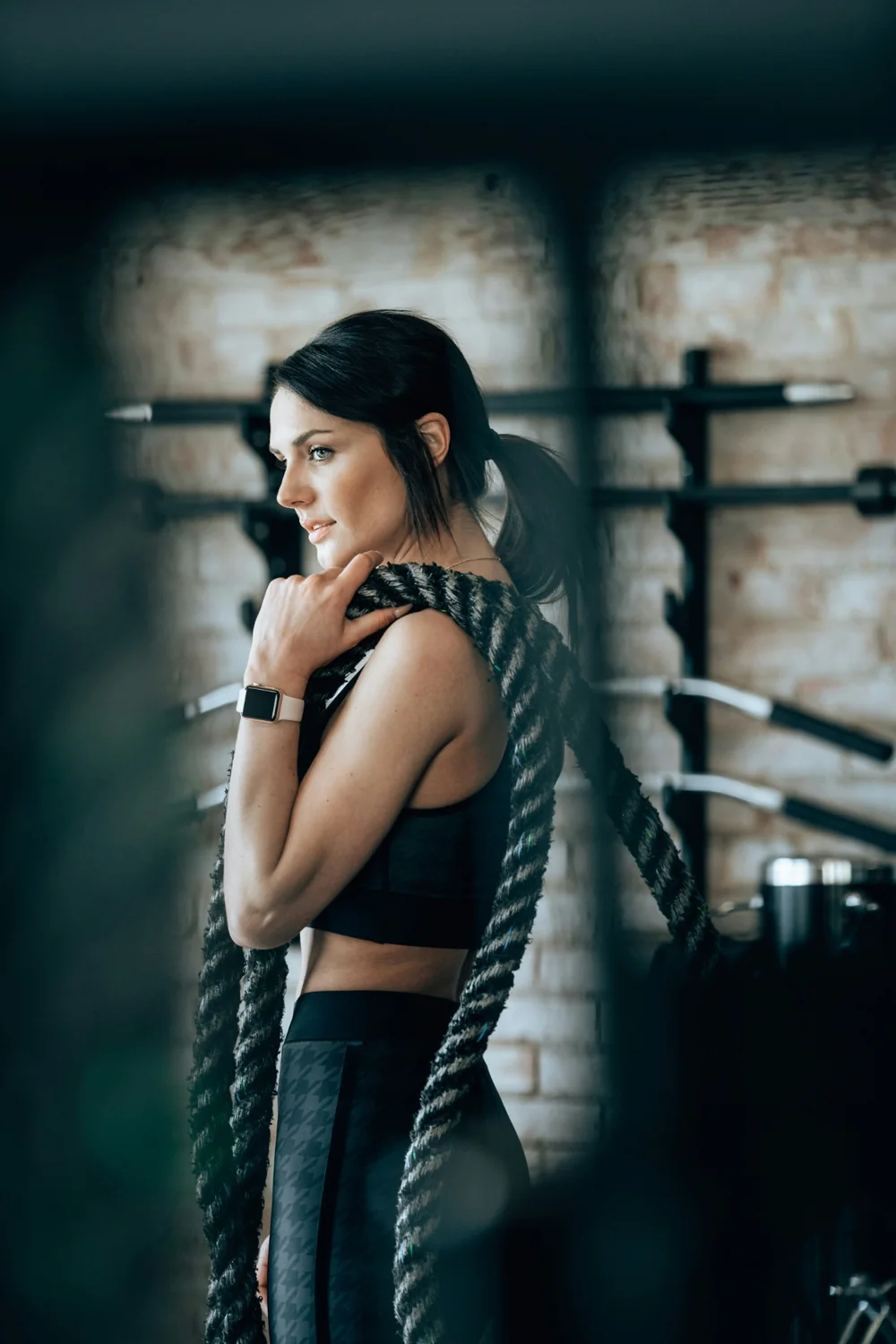
There is a special kind of optimism in packing a gym bag the night before. Done well, it lets movement fit into your life instead of forcing the rest of your day to revolve around a class.
Start with the things you actually use.
A clean change of clothes, socks, a refillable water bottle, and a small pouch for toiletries will cover most days. Add your preferred anti-chafe product if friction is predictable. Bring sunscreen for outdoor sessions and a clean towel if the studio does not supply one.
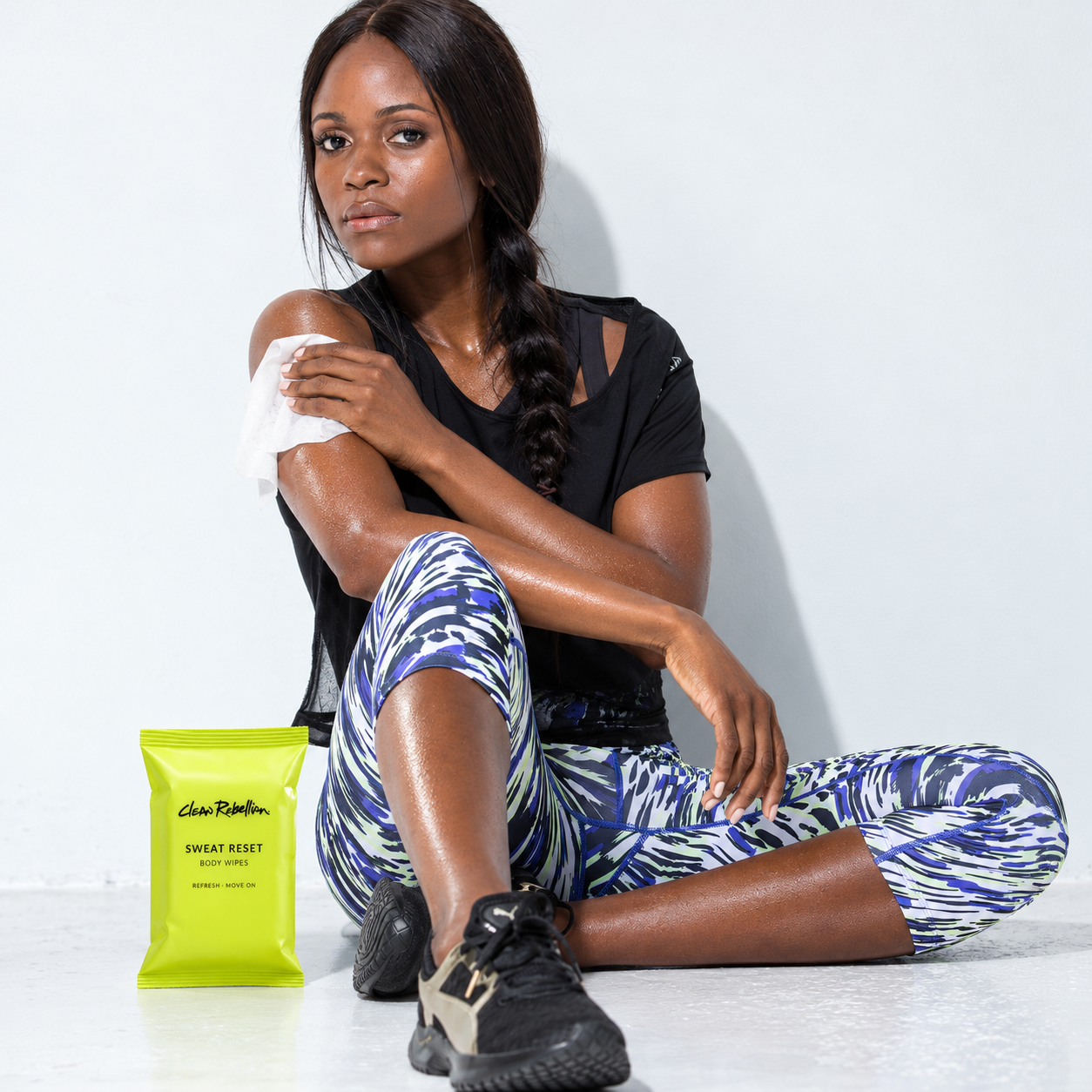
A body wipe can help you freshen up when you cannot shower immediately, although it is not a full replacement for washing. A gentle wash is useful when you do have access to a shower. Keep used clothing in a separate washable bag so everything else stays fresh.
Choose packaging with intention.
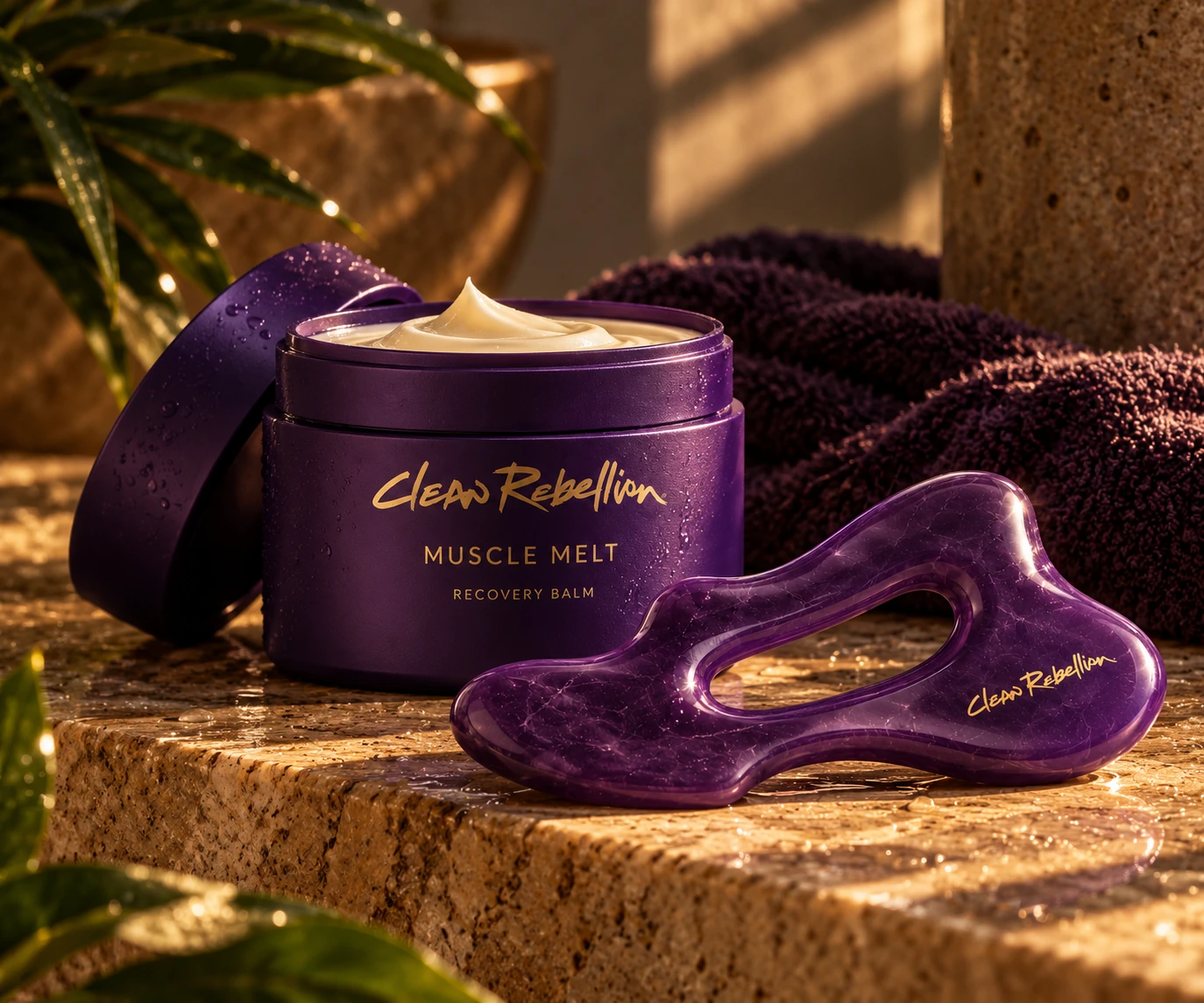
Leak resistance, easy-open closures, and sizes that fit your bag matter more than a dozen features you will never use. A beautifully designed product should also be practical under fluorescent locker-room lighting and at the bottom of a tote.
Think of your kit as an extension of your routine: useful, considered, and ready to go when you are.
The questions behind the routine
There is a reason uncomplicated systems age well. The preferences and obligations that shape one season may change in the next, while an elaborate plan can become difficult to sustain. Reviewing a routine every few weeks allows you to notice what has become effortless and what has quietly stopped serving its purpose. A useful edit might involve reducing the number of products in your gym bag, moving a class to a different day or giving yourself an alternative for rainy weather.
How to make an informed choice
Pack one reliable change of clothes, a water bottle and small personal-care items that you actually use in transit. A practical test begins before the next purchase or class booking. Describe the actual problem in ordinary language, identify what would count as improvement and choose the smallest adjustment that could plausibly help. If the issue involves persistent pain or an unusual skin reaction, that decision may be to seek professional guidance rather than experimenting with another product. For everyday habits, a written note after several sessions can be more informative than a dramatic first impression.
What still needs care
There is no universal perfect packing list, and adding too many products can make a daily commute less pleasant. Scientific support is also a question of study design. A plausible mechanism, a small pilot trial and a large controlled study answer different questions, so they should not be presented as interchangeable. Consider whether the researchers measured a meaningful outcome, whether results were replicated and whether the tested conditions resemble ordinary use. When information is incomplete, a measured description is more useful than confident certainty. There is a small editorial discipline in leaving room for uncertainty. It makes it possible to enjoy what is pleasurable about a routine while continuing to learn what science does and does not support. The strongest choice is rarely the loudest one. It is the choice that matches your circumstances and remains useful after the novelty has faded.