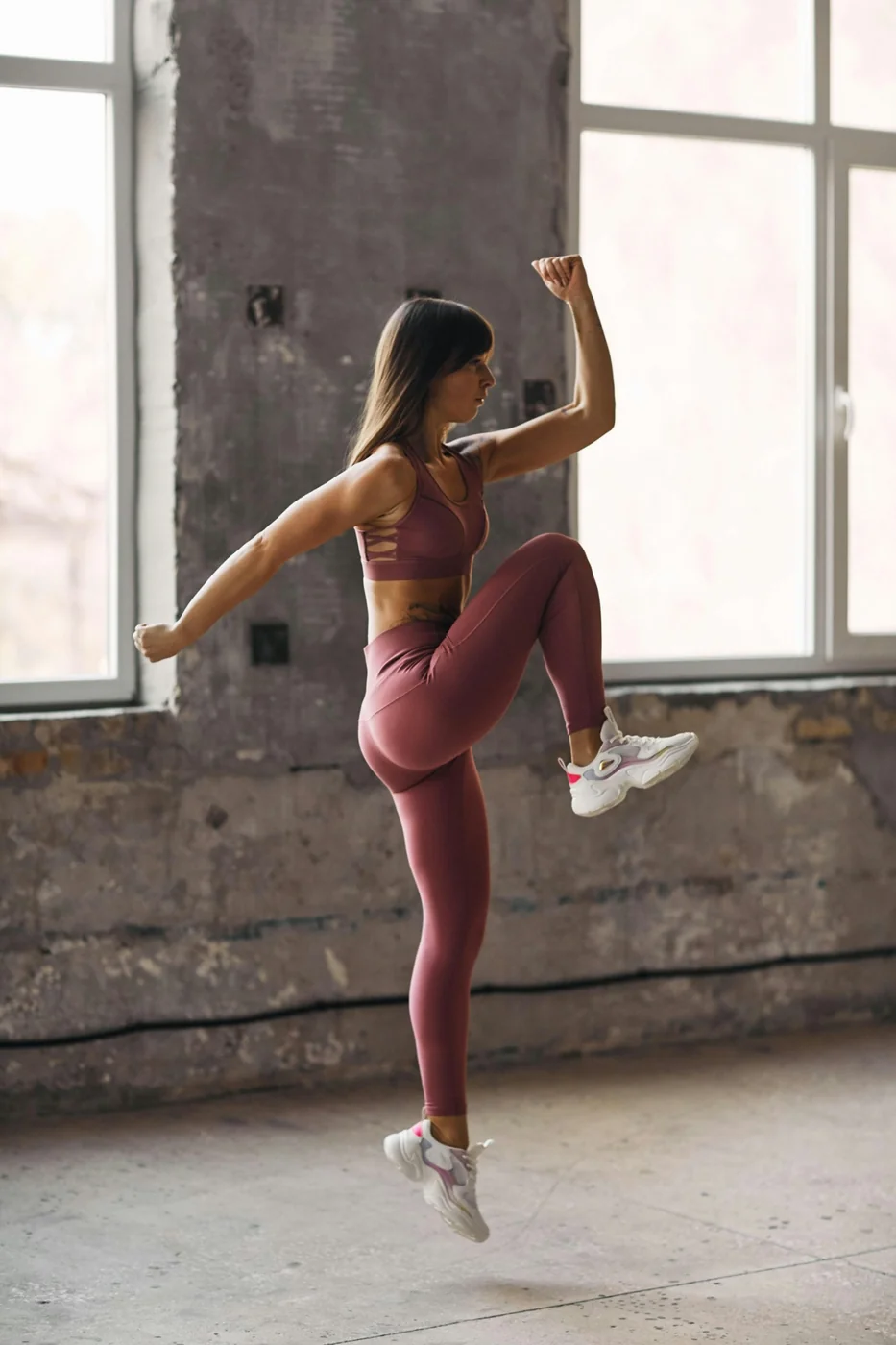
Training gains depend on repeated effort balanced with adequate rest, food and the ability to participate again without excessive fatigue. The interesting part is what this means in an ordinary week, when people are managing full calendars, changing energy levels and a body that responds differently from day to day. Looking closely at the underlying mechanics can make the next decision considerably more useful than following a headline or copying a stranger's routine.
What is really happening
Massage is an established practice involving manipulation of soft tissues, but findings for pain outcomes are mixed and often limited by study quality. The National Center for Complementary and Integrative Health describes some short-term benefits in selected contexts while cautioning against relying on massage in place of appropriate medical care. That distinction is especially important when a brand is designing a home-use recovery ritual. A technique may feel soothing, yet the effect of a finished product must be evaluated on its own merits rather than borrowed from unrelated clinical trials. Training gains depend on repeated effort balanced with adequate rest, food and the ability to participate again without excessive fatigue. To turn that broad idea into an individual decision, it helps to identify which part of the experience is actually changing. The answer may involve the exercise itself, the surrounding environment or the expectations we bring to it.
What the evidence can tell us
After exercise, sensations can be informative without being a complete diagnostic system. Generalized tiredness following unfamiliar activity differs from sharp pain, swelling or symptoms that interfere with normal function. When soreness appears, consider the size of the training change, the available recovery time and how your body responds to gentle movement. Escalating pain, an injury or serious symptoms deserves professional evaluation. Learning to recognize those differences is more useful than trying to purchase your way around every discomfort. The strongest claims should survive a few straightforward questions: Who was studied, compared with what, for how long, and with what outcome? A product can be attractively made and still lack evidence for a particular medical promise. This is especially important in wellness marketing, where words such as restore, optimize and rebalance can sound scientific without stating what was actually measured. Recovery is individualized, and a long list of specialized products is not a substitute for adequate nutrition or thoughtful programming.
Try this in a real week
Alternate demanding and easier sessions, make room for restorative movement, and respect pain that changes how you move. A useful comparison puts cost, accessibility and tolerability alongside any promised result. Look at what an item or activity requires after the initial excitement: refills, appointments, specialized equipment, extra cleaning or additional time. A lower-cost adjustment sometimes addresses the same practical problem. If a new approach genuinely improves comfort or participation, you can make a more informed decision about keeping it.
The part that lasts
A good recovery routine also has to fit the next day. Too much stimulation late in the evening, insufficient time between heavy sessions or unrealistic goals can erode the benefits of otherwise thoughtful training. Simple changes such as planning an easier movement day or allowing a gradual transition after class may make the week feel more manageable. These are decisions about schedule and workload, not promises of instantaneous muscle repair. The standard should be whether the routine helps you participate safely and consistently over time. Taken together, these considerations suggest a different standard for everyday care. Pay attention to what changes the quality of your day, use public-health and clinical guidance where it applies, and recognize when a personal preference is simply a preference. That is enough to build a thoughtful practice without treating every new wellness claim as a command.