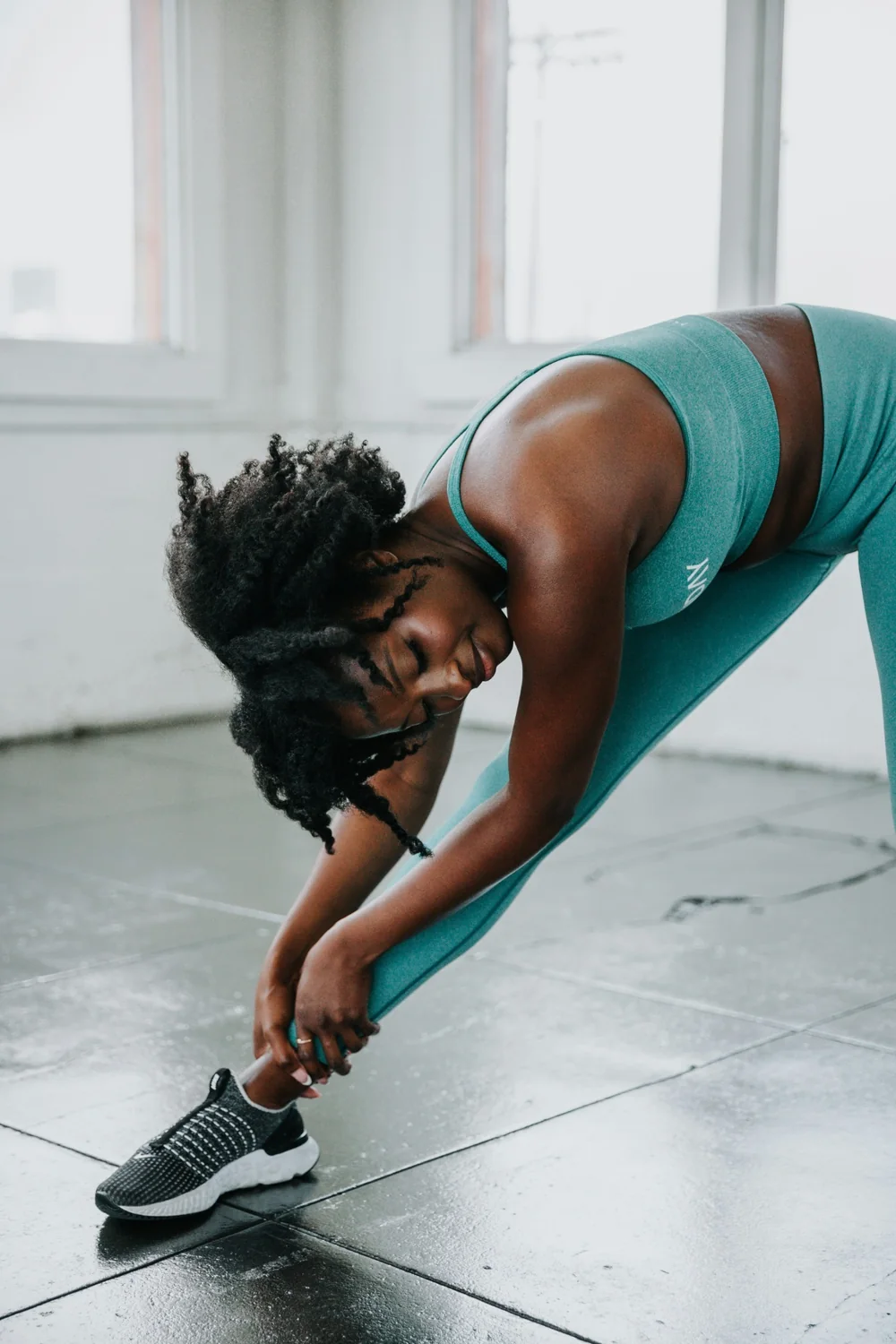
The internet loves a fitness identity. You are a runner, a Pilates person, a strength-training person, a yogi. Real life is more flexible than that, and your body benefits from a range of demands.
Different tools, different skills.
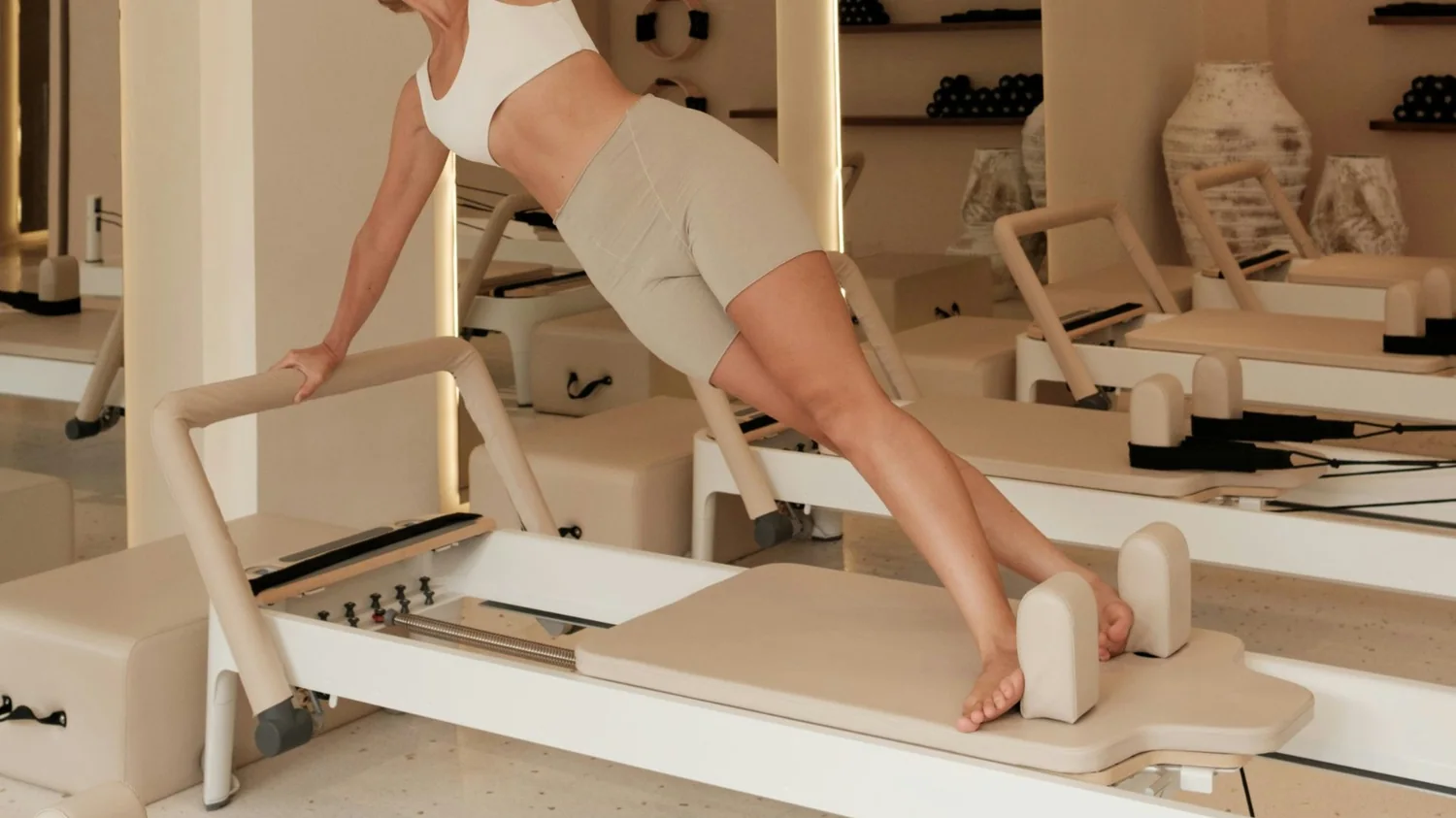
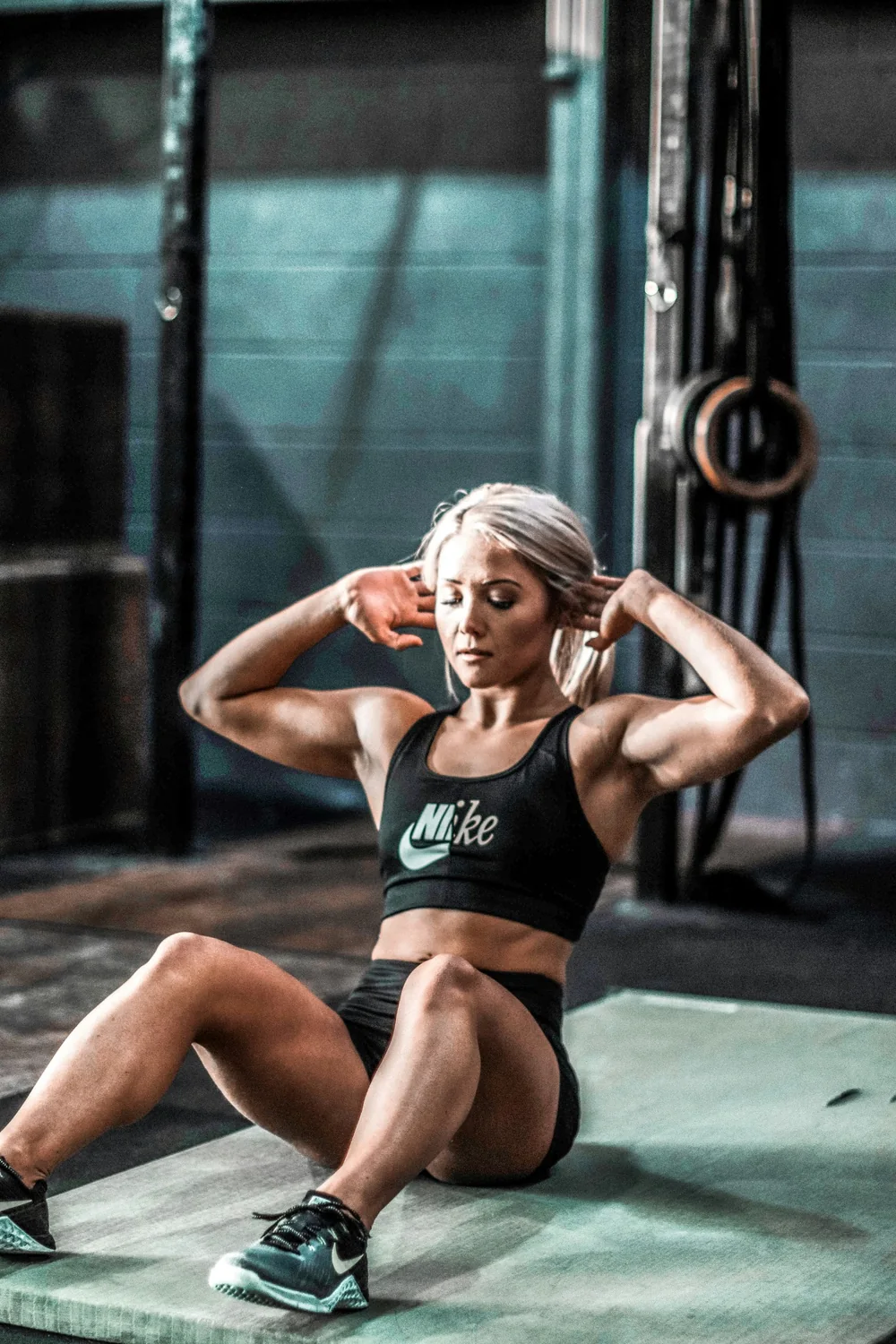
Resistance training can build strength and support bone and muscle health when programmed appropriately. Pilates often emphasizes controlled movement, coordination, and trunk endurance. Neither has to replace the other.
A training week might include two strength sessions, one Pilates class, and a walk on a recovery day. For somebody else, it might be one long run, a reformer class, and short home workouts. The specifics depend on experience, goals, energy, and schedule.
Progress is rarely a straight line.
Periods of travel, work deadlines, injury recovery, and caregiving can change what is realistic. A shorter routine you can sustain is more useful than an elaborate plan you abandon after a week. Gradual increases in training load can also help avoid doing too much too soon.
Let the workout be an opportunity to become more capable in your own life. If you enjoy how you move, consistency tends to become a little easier.
The questions behind the routine
There is often a difference between what a studio promotes and what exercise science can support. The American College of Sports Medicine has identified strength training, programs for older adults, balance and core work, mobile exercise and recreation clubs among current fitness themes. These are trends in professional attention and consumer participation, rather than guarantees about a particular class. To evaluate a new format, ask which capacities are trained, how difficulty changes over time and whether the movements can be adapted by an attentive instructor.
How to make an informed choice
Organize a week that trains muscle strength and aerobic fitness alongside the balance or coordination you enjoy in Pilates. A practical test begins before the next purchase or class booking. Describe the actual problem in ordinary language, identify what would count as improvement and choose the smallest adjustment that could plausibly help. If the issue involves persistent pain or an unusual skin reaction, that decision may be to seek professional guidance rather than experimenting with another product. For everyday habits, a written note after several sessions can be more informative than a dramatic first impression.
What still needs care
One type of class rarely addresses every fitness goal and recovery needs depend on total training load. Evidence is rarely a single yes-or-no label. Studies may point in different directions because populations, methods, doses or outcomes are different. That does not require abandoning every promising idea, but it does call for proportionate language. Consumers deserve to know whether a benefit has been shown for the precise application under discussion or inferred from something only loosely related. A useful routine grows through observation rather than reinvention. Notice what gives you confidence to move again, what is easy to maintain and what deserves more careful investigation. When a product, practice or class can answer those questions clearly, it has a stronger reason to remain part of your week.