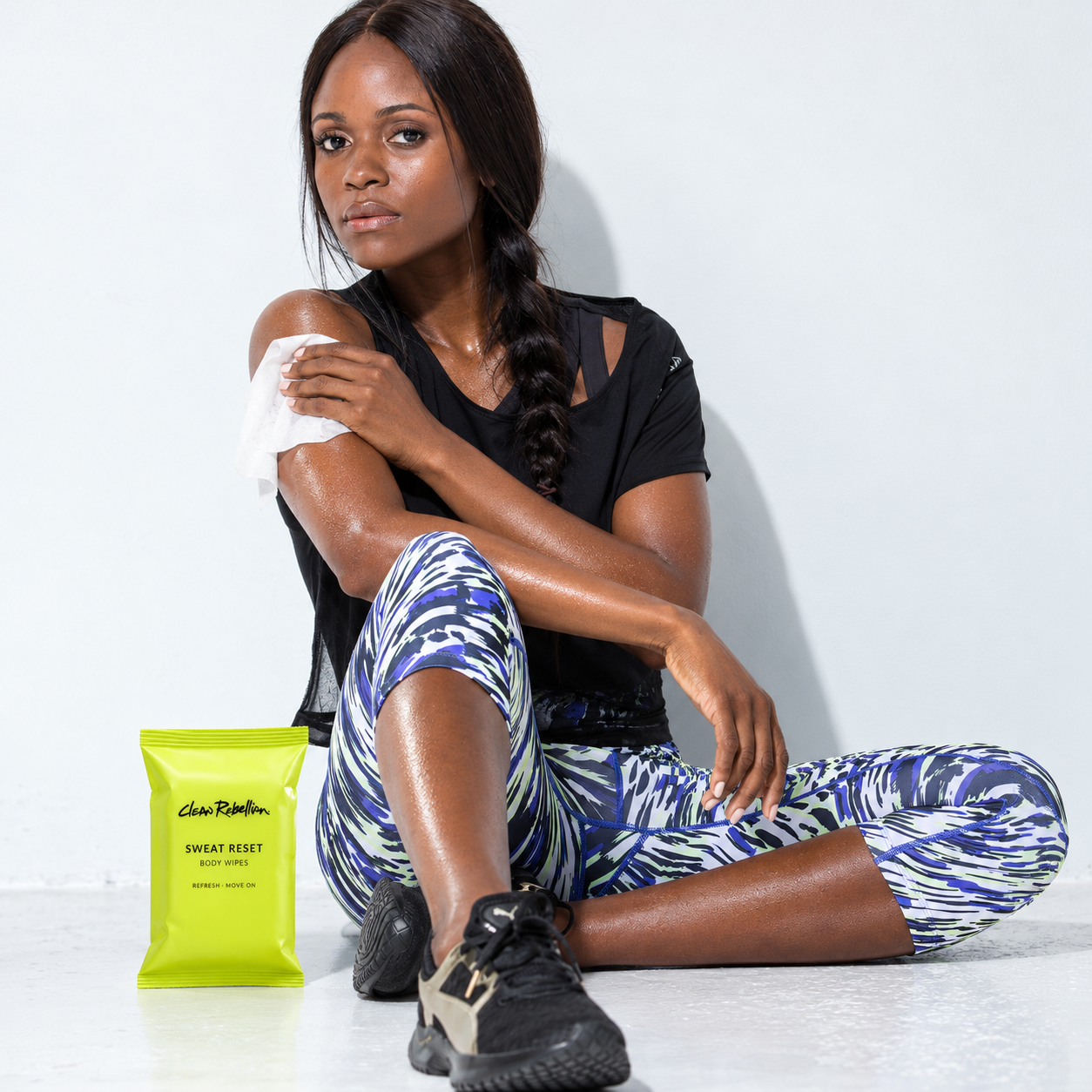
Sweating is your body's cooling system at work. It is normal, useful, and not something that needs to be treated as dirty. But leaving damp clothing and salt on sensitive skin for hours can be uncomfortable.
Skin already has a job.
The outer skin barrier helps retain water and limit irritation from the environment. Sweat contains water and electrolytes, primarily sodium and chloride, alongside other components. Salt residue and rubbing clothing can bother skin that is already sensitive.
After movement, remove sweaty clothing when possible and rinse or cleanse gently. A moisturizer may help if skin feels dry after showering. People with eczema or other skin conditions may need a more tailored routine.
Do you need topical electrolytes?
Electrolytes matter for hydration inside the body, but the marketing leap from drinking fluids to putting electrolytes into a body spray is not automatically supported by the same science. A topical product should be judged on its actual tested skin benefits, not borrowed claims from sports nutrition.
That does not mean a refreshing mist has no place. Sensory cooling, a pleasant finish, and the convenience of an easy spray can all matter. We simply prefer clear language about what a product is designed to do.
The questions behind the routine
Dermatologists draw distinctions that advertising often blurs. Dryness, friction irritation, allergy and inflammatory skin conditions can look similar to a shopper but call for different responses. The American Academy of Dermatology notes that even naturally derived cosmetics can cause contact reactions, and recommends testing new products cautiously when the skin is sensitive. A brand can describe a wash as refreshing or a balm as comfortable without claiming that it prevents a disease or permanently changes the microbiome.
How to make an informed choice
Use well-fitting clothing, avoid aggressive post-class scrubbing and protect skin with gentle washing and moisture when needed. A useful comparison puts cost, accessibility and tolerability alongside any promised result. Look at what an item or activity requires after the initial excitement: refills, appointments, specialized equipment, extra cleaning or additional time. A lower-cost adjustment sometimes addresses the same practical problem. If a new approach genuinely improves comfort or participation, you can make a more informed decision about keeping it.
What still needs care
Sweat is not inherently harmful; the response depends on context, surface friction and an individual skin condition. The strongest claims should survive a few straightforward questions: Who was studied, compared with what, for how long, and with what outcome? A product can be attractively made and still lack evidence for a particular medical promise. This is especially important in wellness marketing, where words such as restore, optimize and rebalance can sound scientific without stating what was actually measured. Taken together, these considerations suggest a different standard for everyday care. Pay attention to what changes the quality of your day, use public-health and clinical guidance where it applies, and recognize when a personal preference is simply a preference. That is enough to build a thoughtful practice without treating every new wellness claim as a command.
Useful context before you decide
Skin responds to friction, moisture, cleansing and the surrounding environment rather than to a marketing category. Sweat can be part of healthy temperature regulation, yet prolonged damp clothing and repeated rubbing may contribute to irritation or breakouts in susceptible people. Dermatologists recommend practical steps around clean gear, appropriate clothing, sun protection and gentle post-exercise care. How much cleansing someone needs depends on the activity and their skin, and there is no advantage in making a routine unnecessarily harsh. A practical test begins before the next purchase or class booking. Describe the actual problem in ordinary language, identify what would count as improvement and choose the smallest adjustment that could plausibly help. If the issue involves persistent pain or an unusual skin reaction, that decision may be to seek professional guidance rather than experimenting with another product. For everyday habits, a written note after several sessions can be more informative than a dramatic first impression.