Dryness often feels tight or rough, whereas irritation may include burning, stinging or a rash that develops after contact with a product or fabric. The interesting part is what this means in an ordinary week, when people are managing full calendars, changing energy levels and a body that responds differently from day to day. Looking closely at the underlying mechanics can make the next decision considerably more useful than following a headline or copying a stranger's routine.
What is really happening
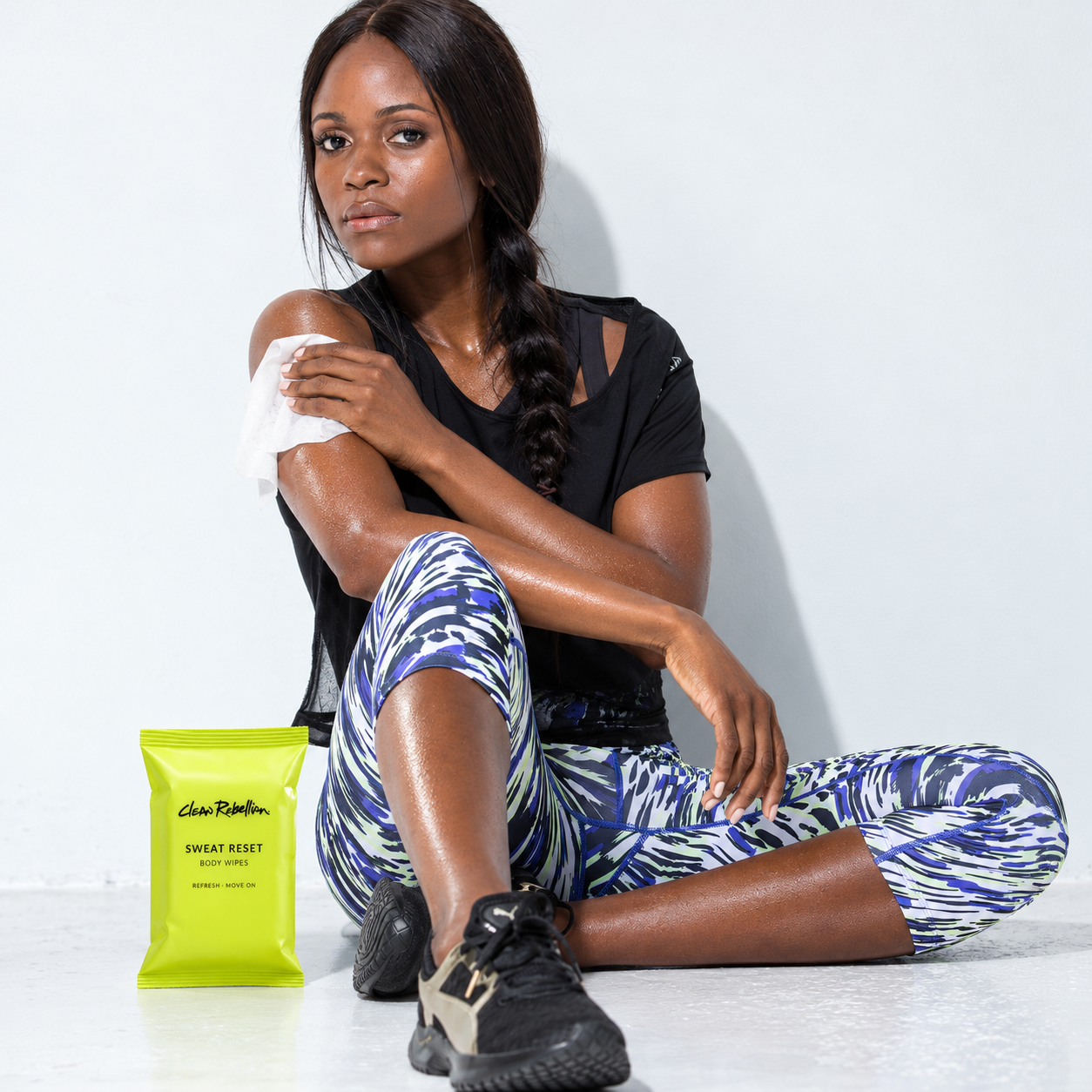
Skin responds to friction, moisture, cleansing and the surrounding environment rather than to a marketing category. Sweat can be part of healthy temperature regulation, yet prolonged damp clothing and repeated rubbing may contribute to irritation or breakouts in susceptible people. Dermatologists recommend practical steps around clean gear, appropriate clothing, sun protection and gentle post-exercise care. How much cleansing someone needs depends on the activity and their skin, and there is no advantage in making a routine unnecessarily harsh. Dryness often feels tight or rough, whereas irritation may include burning, stinging or a rash that develops after contact with a product or fabric. To turn that broad idea into an individual decision, it helps to identify which part of the experience is actually changing. The answer may involve the exercise itself, the surrounding environment or the expectations we bring to it.
What the evidence can tell us
A minimal routine is often easier to adjust because fewer variables change at once. If new itching appears, it is useful to know whether the trigger might have been a detergent, a tight garment, a fragranced formula or a training change. Keeping a record of what was introduced can make conversations with a dermatologist more productive. These habits are not dramatic, but they put skin comfort on practical ground and reduce the temptation to chase every new treatment promise. The strongest claims should survive a few straightforward questions: Who was studied, compared with what, for how long, and with what outcome? A product can be attractively made and still lack evidence for a particular medical promise. This is especially important in wellness marketing, where words such as restore, optimize and rebalance can sound scientific without stating what was actually measured. Visual similarity does not establish the cause of a reaction; persistent or worsening symptoms should be assessed by a clinician.
Try this in a real week
Consider environmental changes, bathing habits and new products before adding an elaborate collection of new skin-care steps. One useful experiment is to change a single variable for two or three weeks and notice the result. Hold the rest of the routine reasonably steady, then assess comfort, consistency and whether the change solves the problem you identified. That approach makes it easier to distinguish the effect of a sensible adjustment from the excitement of trying something new. It also gives you permission to stop when an addition creates more work than value.
The part that lasts
The outer skin barrier matters particularly when sportswear stays close to the body. A repeated point of contact at a seam or bra band may cause more trouble than the overall length of a workout. Similarly, overzealous scrubbing can compound irritation after perspiration. Before purchasing multiple actives, it makes sense to identify where discomfort happens and what changes with fabric, fit, temperature or cleansing habits. A well-chosen product can support that practical work but cannot compensate for every source of rubbing. Taken together, these considerations suggest a different standard for everyday care. Pay attention to what changes the quality of your day, use public-health and clinical guidance where it applies, and recognize when a personal preference is simply a preference. That is enough to build a thoughtful practice without treating every new wellness claim as a command.