A functional gym bag helps people move directly between class, work, errands and home without turning the transition into another stressful project. The interesting part is what this means in an ordinary week, when people are managing full calendars, changing energy levels and a body that responds differently from day to day. Looking closely at the underlying mechanics can make the next decision considerably more useful than following a headline or copying a stranger's routine.
What is really happening
The most useful wellness routines often disappear into the ordinary structure of a week. A packed schedule, public transit, school pickup or a changing shift can matter more than which exercise method is trending online. Public-health guidelines encourage people to accumulate activity in manageable amounts, and the CDC emphasizes that some movement is better than none. That perspective gives permission to design a plan for actual circumstances rather than an imaginary life with unlimited time and flawless motivation. A functional gym bag helps people move directly between class, work, errands and home without turning the transition into another stressful project. To turn that broad idea into an individual decision, it helps to identify which part of the experience is actually changing. The answer may involve the exercise itself, the surrounding environment or the expectations we bring to it.
What the evidence can tell us
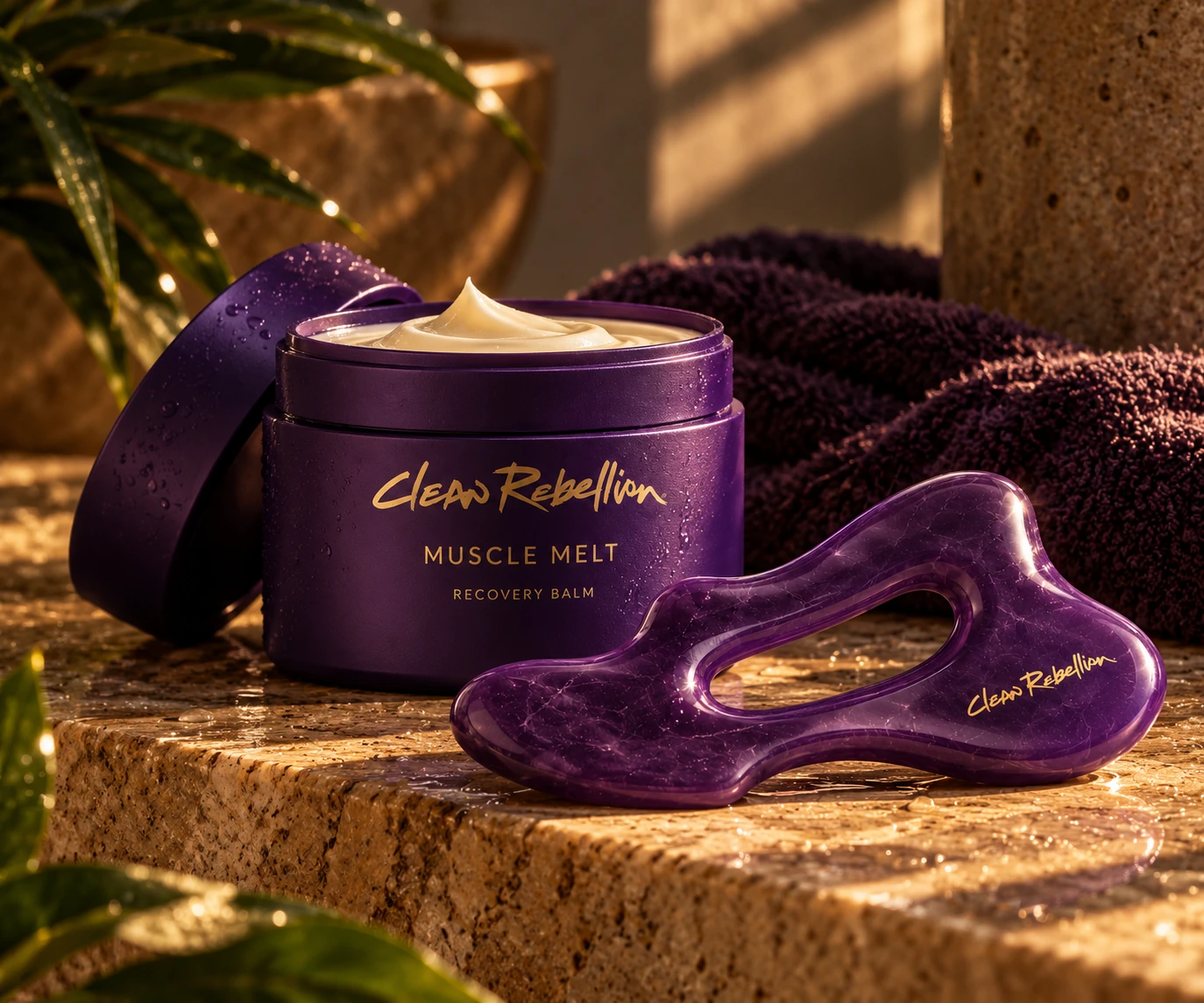
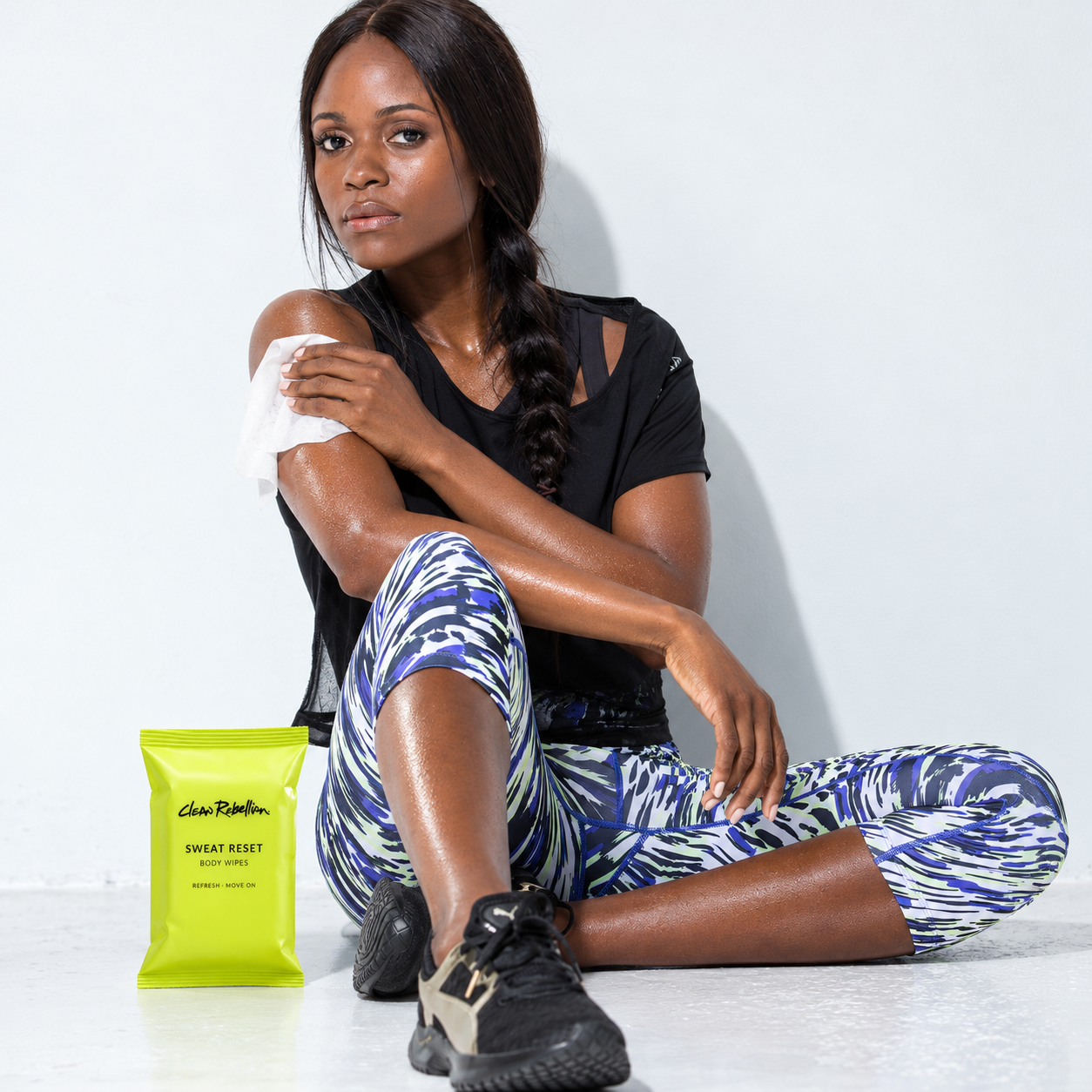
Thoughtful bodycare belongs in this conversation because it occupies the moments around activity. The shower, the change of clothes, the walk home and a few minutes of massage can make transitions feel considered. Their value does not require grand claims about transformation. It is enough to know what a particular habit accomplishes, when it helps and when something more important, like rest or professional advice, should take priority. Evidence is rarely a single yes-or-no label. Studies may point in different directions because populations, methods, doses or outcomes are different. That does not require abandoning every promising idea, but it does call for proportionate language. Consumers deserve to know whether a benefit has been shown for the precise application under discussion or inferred from something only loosely related. The best kit changes by sport, commute and access to showers, so a universal list is less useful than learning what repeatedly goes unused.
Try this in a real week
Pack fresh socks and clothing, a water bottle, a tolerated skin-care essential and a bag for damp items; edit according to the activity. One useful experiment is to change a single variable for two or three weeks and notice the result. Hold the rest of the routine reasonably steady, then assess comfort, consistency and whether the change solves the problem you identified. That approach makes it easier to distinguish the effect of a sensible adjustment from the excitement of trying something new. It also gives you permission to stop when an addition creates more work than value.
The part that lasts
Practical preparation can make a surprising difference. Clothes that fit well, a simple skin-care kit, a water bottle and a realistic route home remove small obstacles that otherwise discourage the next session. These are not luxurious add-ons or substitutes for training; they are ways to make exercise easier to repeat. A ritual becomes helpful when its benefit is visible in the rhythm of the day, whether that means getting outside for twenty minutes or arriving comfortably at an evening class. A useful routine grows through observation rather than reinvention. Notice what gives you confidence to move again, what is easy to maintain and what deserves more careful investigation. When a product, practice or class can answer those questions clearly, it has a stronger reason to remain part of your week.