Pulsed electromagnetic field research has examined selected pain conditions, but settings, studies and clinical populations differ substantially. The interesting part is what this means in an ordinary week, when people are managing full calendars, changing energy levels and a body that responds differently from day to day. Looking closely at the underlying mechanics can make the next decision considerably more useful than following a headline or copying a stranger's routine.
What is really happening
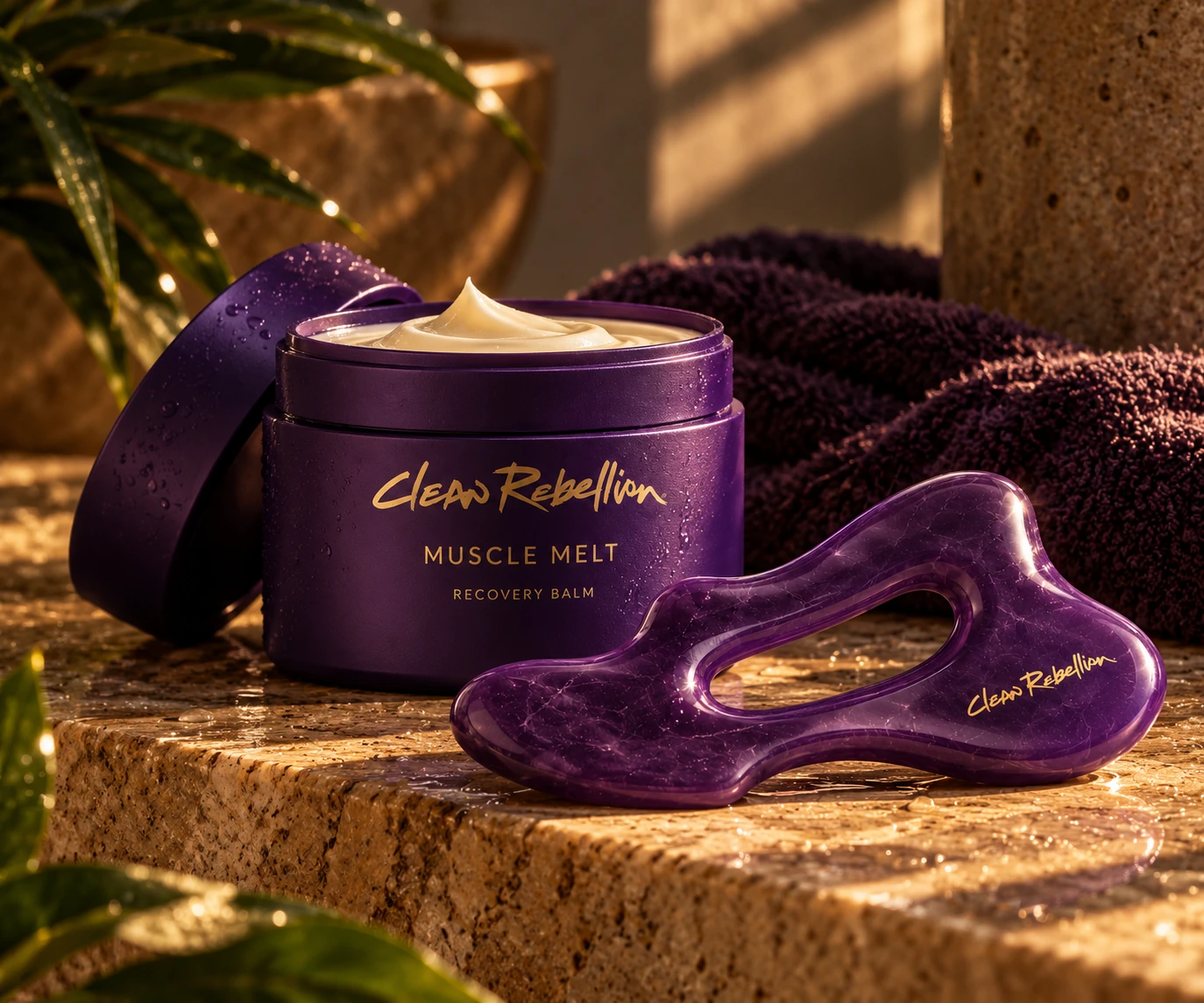
Recovery is a collection of processes rather than one product category. Training challenges tissues, coordination and energy availability; between sessions, the body needs adequate food, hydration, sleep and time to adapt. Comfort-focused tools may make that interval more enjoyable, but their role should be described with precision. A massage balm can support a pleasant routine, while a structured rehabilitation program addresses a very different problem. Keeping those purposes separate allows a good experience to remain enjoyable without asking a cosmetic or accessory to perform as medicine. Pulsed electromagnetic field research has examined selected pain conditions, but settings, studies and clinical populations differ substantially. To turn that broad idea into an individual decision, it helps to identify which part of the experience is actually changing. The answer may involve the exercise itself, the surrounding environment or the expectations we bring to it.
What the evidence can tell us
A good recovery routine also has to fit the next day. Too much stimulation late in the evening, insufficient time between heavy sessions or unrealistic goals can erode the benefits of otherwise thoughtful training. Simple changes such as planning an easier movement day or allowing a gradual transition after class may make the week feel more manageable. These are decisions about schedule and workload, not promises of instantaneous muscle repair. The standard should be whether the routine helps you participate safely and consistently over time. Scientific support is also a question of study design. A plausible mechanism, a small pilot trial and a large controlled study answer different questions, so they should not be presented as interchangeable. Consider whether the researchers measured a meaningful outcome, whether results were replicated and whether the tested conditions resemble ordinary use. When information is incomplete, a measured description is more useful than confident certainty. Evidence from a supervised clinical study cannot validate a consumer prototype that has not been engineered or tested for the same use.
Try this in a real week
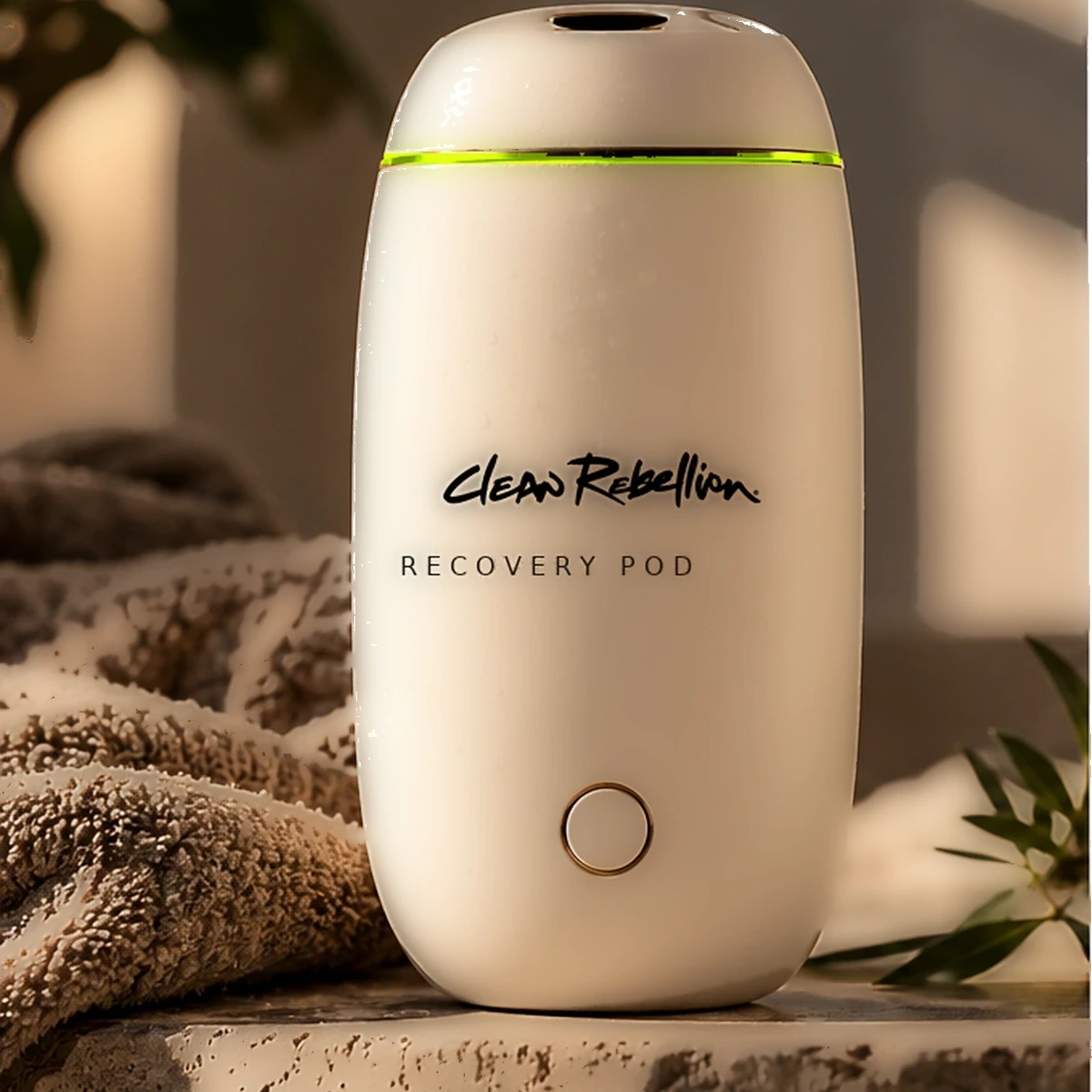
Ask any future device maker for frequency, intensity, safety testing, contraindications and trials on the finished product itself. The details of timing are often revealing. Notice when the problem appears, which clothes or environments are involved, and whether the solution fits a busy weekday as comfortably as a weekend. If you cannot repeat the step without reworking your entire schedule, it may be the wrong scale of intervention. Good routines are not necessarily the most ambitious ones; they are the ones that make a specific part of life easier to manage.
The part that lasts
After exercise, sensations can be informative without being a complete diagnostic system. Generalized tiredness following unfamiliar activity differs from sharp pain, swelling or symptoms that interfere with normal function. When soreness appears, consider the size of the training change, the available recovery time and how your body responds to gentle movement. Escalating pain, an injury or serious symptoms deserves professional evaluation. Learning to recognize those differences is more useful than trying to purchase your way around every discomfort. There is a small editorial discipline in leaving room for uncertainty. It makes it possible to enjoy what is pleasurable about a routine while continuing to learn what science does and does not support. The strongest choice is rarely the loudest one. It is the choice that matches your circumstances and remains useful after the novelty has faded.