Magnesium plays established roles throughout the body, but the science behind absorbing meaningful amounts through intact skin is considerably less certain. The interesting part is what this means in an ordinary week, when people are managing full calendars, changing energy levels and a body that responds differently from day to day. Looking closely at the underlying mechanics can make the next decision considerably more useful than following a headline or copying a stranger's routine.
What is really happening
The skin is an active barrier, and the effects of a product depend partly on the person using it. Dermatology guidance repeatedly highlights the importance of tolerated cleansing, moisturizing and recognizing irritation from fragrance or other ingredients. Botanical origin does not guarantee safety, while an unfamiliar active is not necessarily necessary for a good daily experience. People with reactive or eczema-prone skin may require extra care in choosing and testing formulations. An attractive ingredient story should never be an excuse to overlook that practical reality. Magnesium plays established roles throughout the body, but the science behind absorbing meaningful amounts through intact skin is considerably less certain. To turn that broad idea into an individual decision, it helps to identify which part of the experience is actually changing. The answer may involve the exercise itself, the surrounding environment or the expectations we bring to it.
What the evidence can tell us
There is also a distinction between a sensory outcome and a biological assertion. A formula may feel cooling, have a pleasing texture or make massage easier to perform without changing internal physiology. Those benefits can be meaningful in everyday bodycare, but they should be described as experiences unless stronger outcomes have been measured under appropriate conditions. Reading claims this way protects curiosity: there is room to enjoy an elegant product and to ask what the evidence really tells us. The strongest claims should survive a few straightforward questions: Who was studied, compared with what, for how long, and with what outcome? A product can be attractively made and still lack evidence for a particular medical promise. This is especially important in wellness marketing, where words such as restore, optimize and rebalance can sound scientific without stating what was actually measured. Oral supplement research cannot simply be transferred to a cream, and an attractive ingredient list is not evidence of a biological result.
Try this in a real week
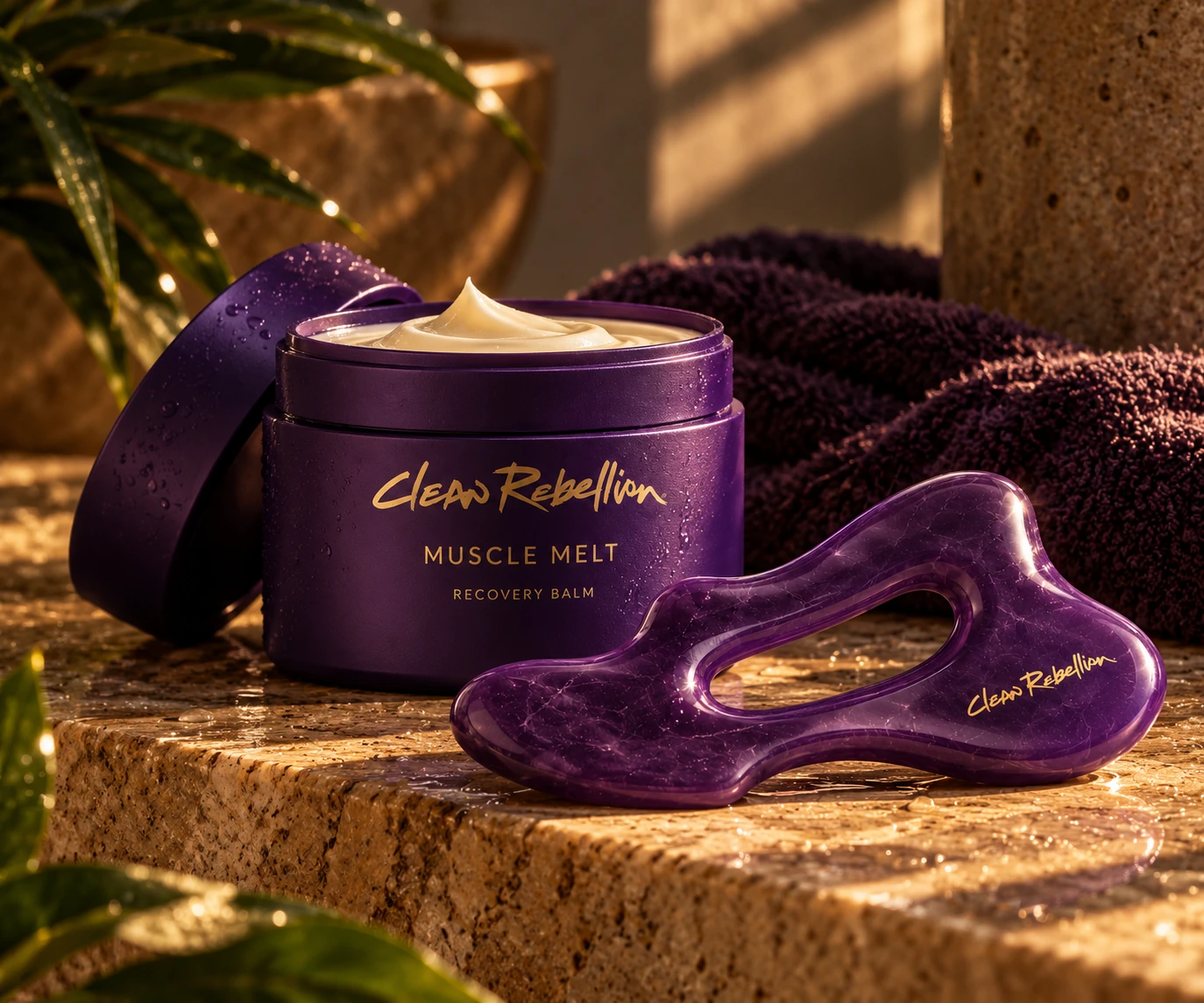
Treat a magnesium-containing balm as a cosmetic sensory product unless carefully designed studies substantiate claims about systemic magnesium or exercise recovery. A useful comparison puts cost, accessibility and tolerability alongside any promised result. Look at what an item or activity requires after the initial excitement: refills, appointments, specialized equipment, extra cleaning or additional time. A lower-cost adjustment sometimes addresses the same practical problem. If a new approach genuinely improves comfort or participation, you can make a more informed decision about keeping it.
The part that lasts
Research develops unevenly. Some ingredients have long-established roles in nutrition or skin structure; others are promising but supported primarily by laboratory work, very small trials or marketing extrapolation. An honest article should distinguish the strength of those situations and avoid implying that every emerging idea has already reached the consumer. When evaluating a claim, note whether researchers studied humans, whether the outcome was clinically meaningful and whether the product, exposure and population resemble the version being sold. Taken together, these considerations suggest a different standard for everyday care. Pay attention to what changes the quality of your day, use public-health and clinical guidance where it applies, and recognize when a personal preference is simply a preference. That is enough to build a thoughtful practice without treating every new wellness claim as a command.