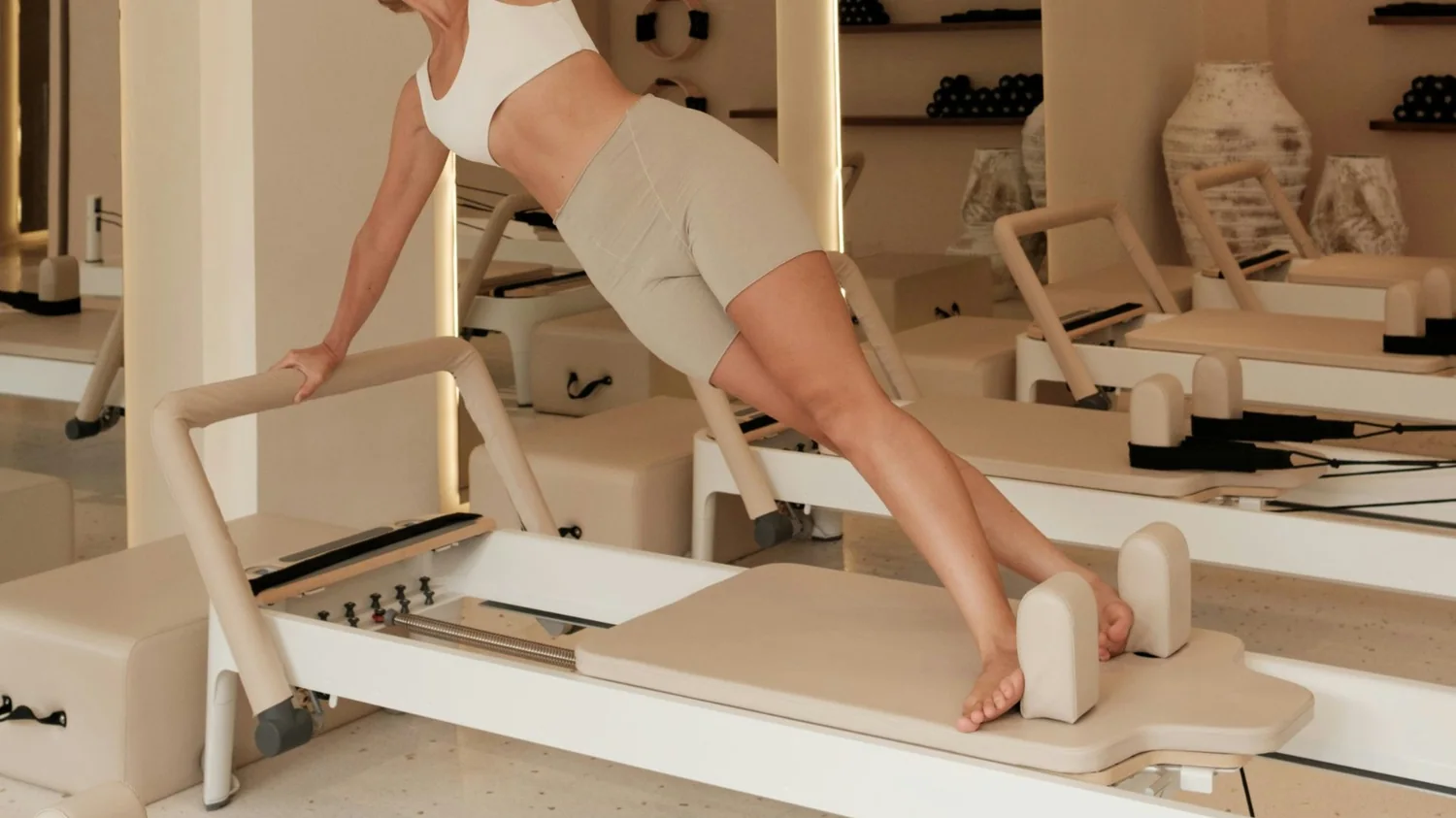
An experienced instructor can adapt cues, watch movement and recognize when a class needs alternatives, creating a different experience from prerecorded content. The interesting part is what this means in an ordinary week, when people are managing full calendars, changing energy levels and a body that responds differently from day to day. Looking closely at the underlying mechanics can make the next decision considerably more useful than following a headline or copying a stranger's routine.
What is really happening
Wearable devices and apps can make trends visible, but interpretation requires restraint. A sleep score, training estimate or streak is an algorithmic representation of data with assumptions and limitations. It can help you notice patterns, while still being less relevant than symptoms, goals or the experience of moving. The fitness industry is good at turning numbers into stories; users can reclaim some control by deciding which numbers inform a useful action and which simply ask for more attention. An experienced instructor can adapt cues, watch movement and recognize when a class needs alternatives, creating a different experience from prerecorded content. To turn that broad idea into an individual decision, it helps to identify which part of the experience is actually changing. The answer may involve the exercise itself, the surrounding environment or the expectations we bring to it.
What the evidence can tell us
It is possible to value movement without allowing it to become an identity test. A class can be challenging and socially rewarding at the same time, yet constant comparison, financial pressure or a rigid ideal can make participation less inviting. Community, flexibility and a trusted instructor often influence whether someone wants to return. That is an editorial question as much as a commercial one: what conditions make the activity feel available to the people who would benefit from it? Scientific support is also a question of study design. A plausible mechanism, a small pilot trial and a large controlled study answer different questions, so they should not be presented as interchangeable. Consider whether the researchers measured a meaningful outcome, whether results were replicated and whether the tested conditions resemble ordinary use. When information is incomplete, a measured description is more useful than confident certainty. Instructor quality varies across disciplines; certification alone is not enough to establish fit, especially for complex medical limitations.
Try this in a real week
Look for teachers who explain choices, ask useful questions and invite modifications without turning them into a public performance. A useful comparison puts cost, accessibility and tolerability alongside any promised result. Look at what an item or activity requires after the initial excitement: refills, appointments, specialized equipment, extra cleaning or additional time. A lower-cost adjustment sometimes addresses the same practical problem. If a new approach genuinely improves comfort or participation, you can make a more informed decision about keeping it.
The part that lasts
Social movement also raises questions of access. Studio fees, class times, transportation and comfort in unfamiliar spaces can shape who participates. A thriving community does more than produce beautiful photographs: it communicates clearly, accommodates varied capacities and treats newcomers with respect. When brands talk about inclusion, the reality is visible in pricing, instruction and the small choices made at the beginning and end of an activity. There is a small editorial discipline in leaving room for uncertainty. It makes it possible to enjoy what is pleasurable about a routine while continuing to learn what science does and does not support. The strongest choice is rarely the loudest one. It is the choice that matches your circumstances and remains useful after the novelty has faded.