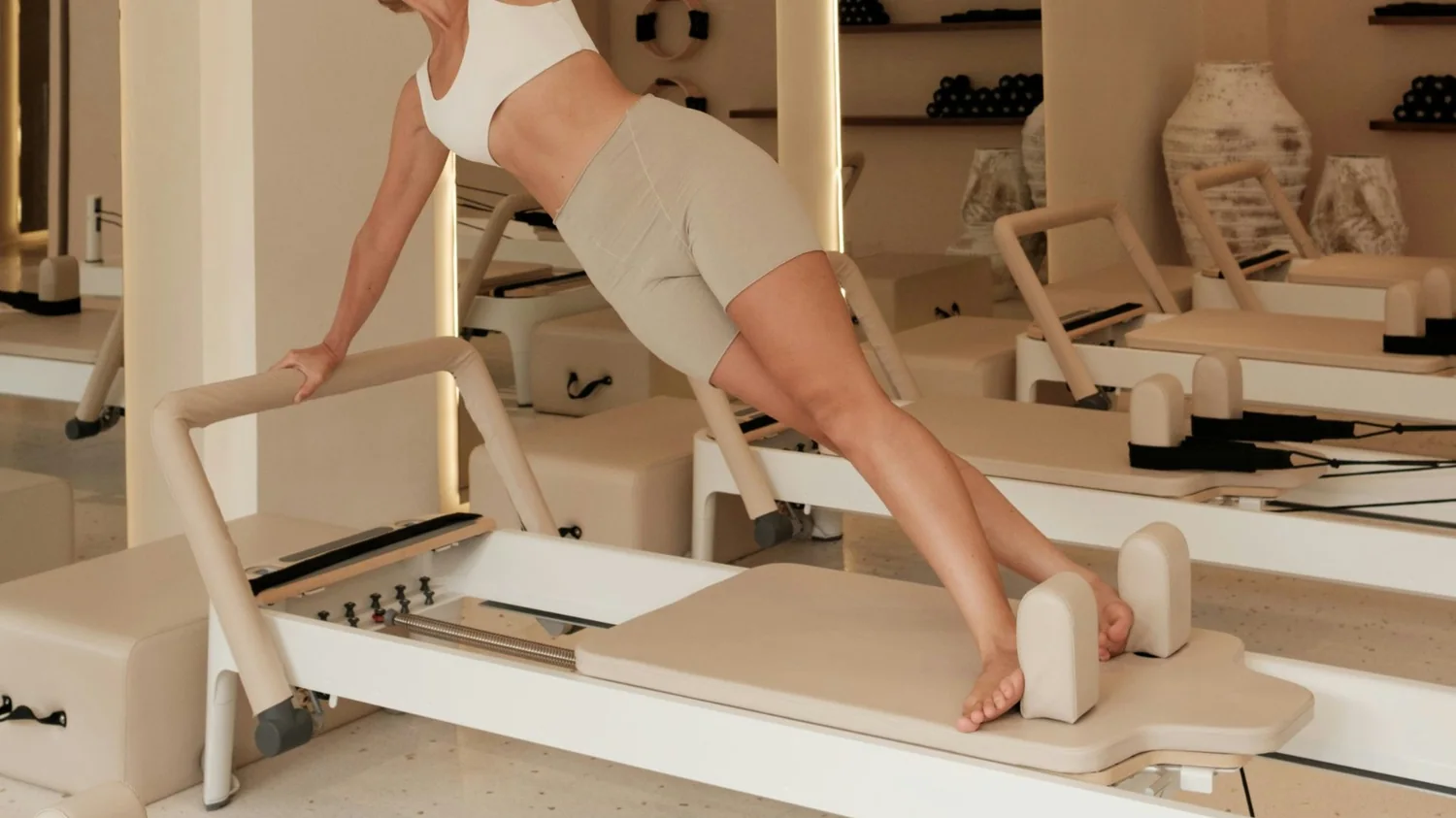
Mobility combines usable joint range with control and strength. Holding one passive stretch is not the same as confidently moving within a range under your own power. The interesting part is what this means in an ordinary week, when people are managing full calendars, changing energy levels and a body that responds differently from day to day. Looking closely at the underlying mechanics can make the next decision considerably more useful than following a headline or copying a stranger's routine.
What is really happening
There is often a difference between what a studio promotes and what exercise science can support. The American College of Sports Medicine has identified strength training, programs for older adults, balance and core work, mobile exercise and recreation clubs among current fitness themes. These are trends in professional attention and consumer participation, rather than guarantees about a particular class. To evaluate a new format, ask which capacities are trained, how difficulty changes over time and whether the movements can be adapted by an attentive instructor. Mobility combines usable joint range with control and strength. Holding one passive stretch is not the same as confidently moving within a range under your own power. To turn that broad idea into an individual decision, it helps to identify which part of the experience is actually changing. The answer may involve the exercise itself, the surrounding environment or the expectations we bring to it.
What the evidence can tell us
Exercise becomes easier to assess when the question changes from how dramatic a session felt to what it asked the body to do. Some forms build aerobic capacity by keeping large muscle groups working for a sustained period; others emphasize force production, balance, coordination or range of motion. A class may combine several of these elements, and the marketing name rarely tells the full story. Watch the actual work, consider how it complements other activities, and resist assuming that an impressive-looking sequence automatically suits your present capacity. Scientific support is also a question of study design. A plausible mechanism, a small pilot trial and a large controlled study answer different questions, so they should not be presented as interchangeable. Consider whether the researchers measured a meaningful outcome, whether results were replicated and whether the tested conditions resemble ordinary use. When information is incomplete, a measured description is more useful than confident certainty. More range is not always the objective; people with hypermobility or an injury may need targeted assessment rather than aggressive stretching.
Try this in a real week
Build movement preparation around the joints required by that day's activity and adjust the range to what feels stable rather than chasing a particular pose. A useful comparison puts cost, accessibility and tolerability alongside any promised result. Look at what an item or activity requires after the initial excitement: refills, appointments, specialized equipment, extra cleaning or additional time. A lower-cost adjustment sometimes addresses the same practical problem. If a new approach genuinely improves comfort or participation, you can make a more informed decision about keeping it.
The part that lasts
Progress is usually more ordinary than a dramatic before-and-after photograph suggests. A slightly longer comfortable walk, greater control in a familiar exercise or the ability to return to class without excessive fatigue can all signal adaptation. Exercise responses vary, and meaningful goals may include mood, recreation and daily function as well as athletic performance. Comparing one session with an influencer video tells you much less than observing your own work over an appropriate span of time. There is a small editorial discipline in leaving room for uncertainty. It makes it possible to enjoy what is pleasurable about a routine while continuing to learn what science does and does not support. The strongest choice is rarely the loudest one. It is the choice that matches your circumstances and remains useful after the novelty has faded.