Recovery has become an aesthetic of its own: cold plunges, compression boots, glowing dashboards, and carefully tracked readiness scores. These tools can be interesting. They are not the foundation.
Start with the obvious.
Sleep, enough nutrition, and a training schedule that leaves room to adapt are the basics. Muscle soreness after unfamiliar or demanding activity is common, but soreness is not proof that a workout was effective. And the absence of soreness does not mean you did nothing.
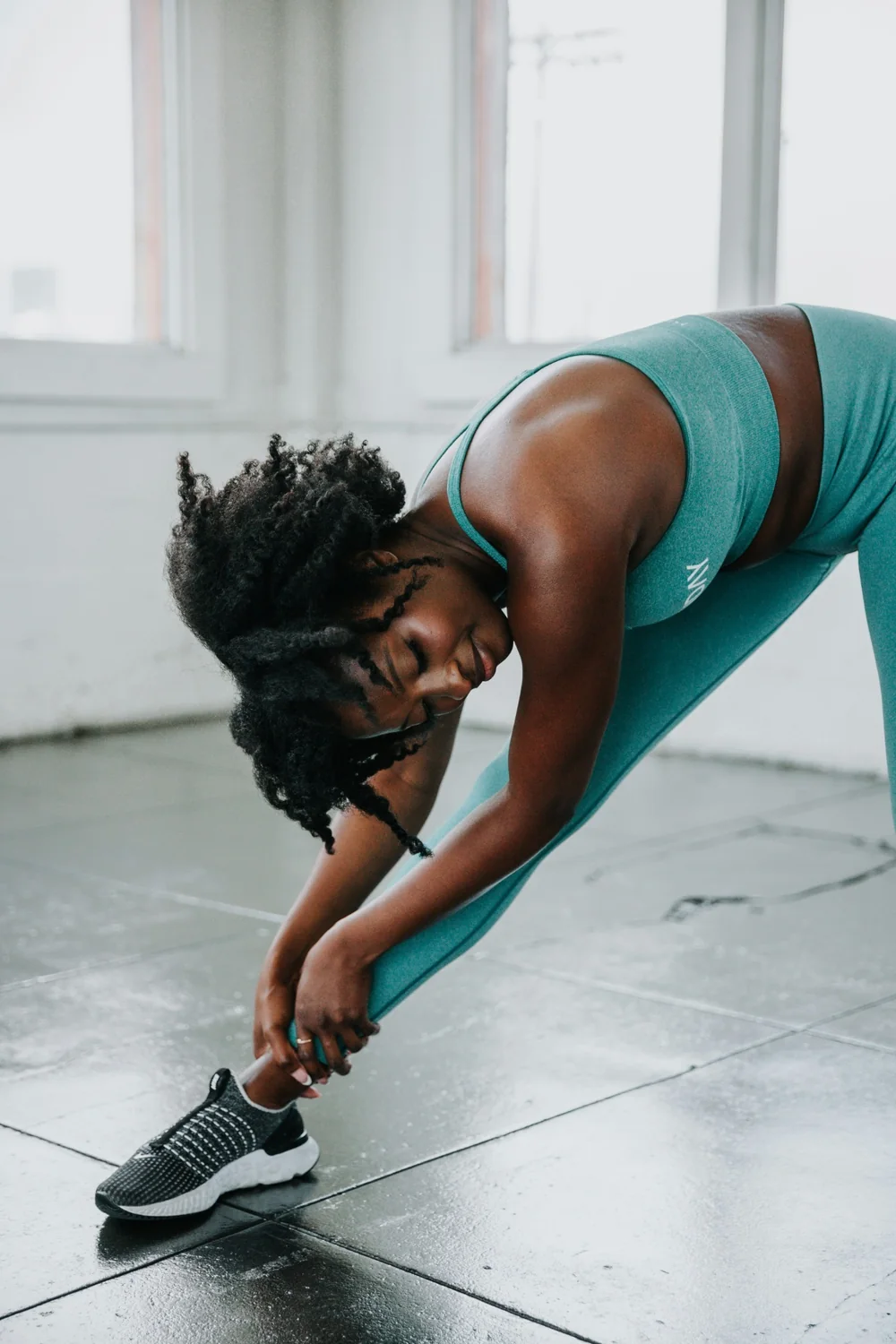
Active recovery can be as unremarkable as an easy walk, gentle cycling, or a few comfortable mobility exercises. For some days, the smartest choice is simply to rest. Recovery does not have to look productive on social media.
What about massage?
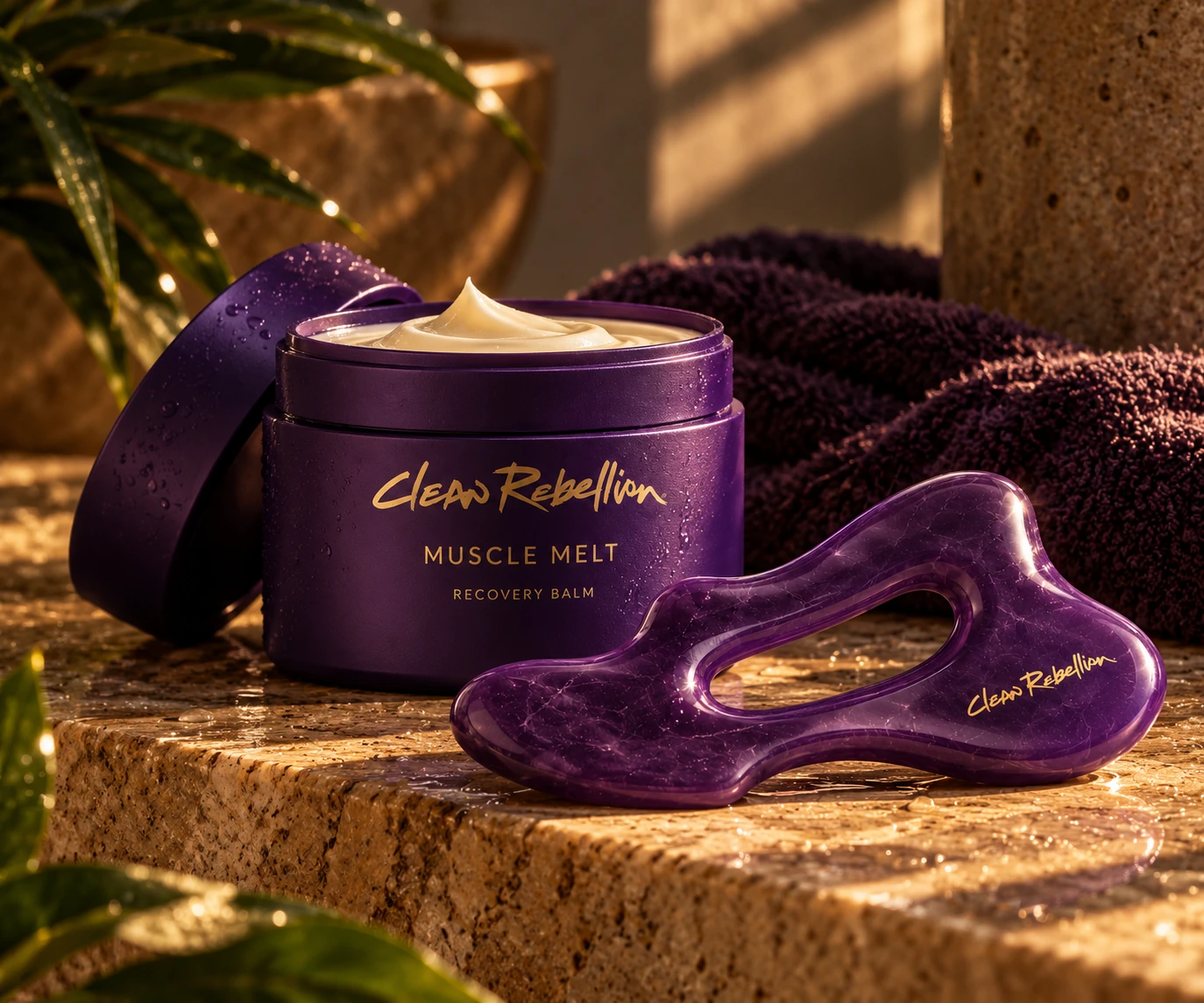
Massage can offer a pleasing sense of relaxation and may temporarily influence how discomfort feels for some people. It is not a substitute for diagnosing an injury. A balm-and-massage ritual can be a lovely sensory practice without making medical treatment claims.
If pain is sharp, persistent, or accompanied by significant swelling, weakness, or other concerning symptoms, seek medical evaluation rather than trying to push through it.
The aim is to support a body you want to keep moving in, not to build another full-time job around taking care of it.
The questions behind the routine
Recovery is a collection of processes rather than one product category. Training challenges tissues, coordination and energy availability; between sessions, the body needs adequate food, hydration, sleep and time to adapt. Comfort-focused tools may make that interval more enjoyable, but their role should be described with precision. A massage balm can support a pleasant routine, while a structured rehabilitation program addresses a very different problem. Keeping those purposes separate allows a good experience to remain enjoyable without asking a cosmetic or accessory to perform as medicine.
How to make an informed choice
Pay attention to sleep, food, manageable training load and when an easy day makes more sense than another intense session. The details of timing are often revealing. Notice when the problem appears, which clothes or environments are involved, and whether the solution fits a busy weekday as comfortably as a weekend. If you cannot repeat the step without reworking your entire schedule, it may be the wrong scale of intervention. Good routines are not necessarily the most ambitious ones; they are the ones that make a specific part of life easier to manage.
What still needs care
Pleasant bodycare rituals are additional sources of comfort, not replacement recovery physiology. Scientific support is also a question of study design. A plausible mechanism, a small pilot trial and a large controlled study answer different questions, so they should not be presented as interchangeable. Consider whether the researchers measured a meaningful outcome, whether results were replicated and whether the tested conditions resemble ordinary use. When information is incomplete, a measured description is more useful than confident certainty. There is a small editorial discipline in leaving room for uncertainty. It makes it possible to enjoy what is pleasurable about a routine while continuing to learn what science does and does not support. The strongest choice is rarely the loudest one. It is the choice that matches your circumstances and remains useful after the novelty has faded.