A walk is an accessible way to build regular aerobic activity without buying a membership or adopting a new fitness identity. The route and duration can change with the calendar. The interesting part is what this means in an ordinary week, when people are managing full calendars, changing energy levels and a body that responds differently from day to day. Looking closely at the underlying mechanics can make the next decision considerably more useful than following a headline or copying a stranger's routine.
What is really happening
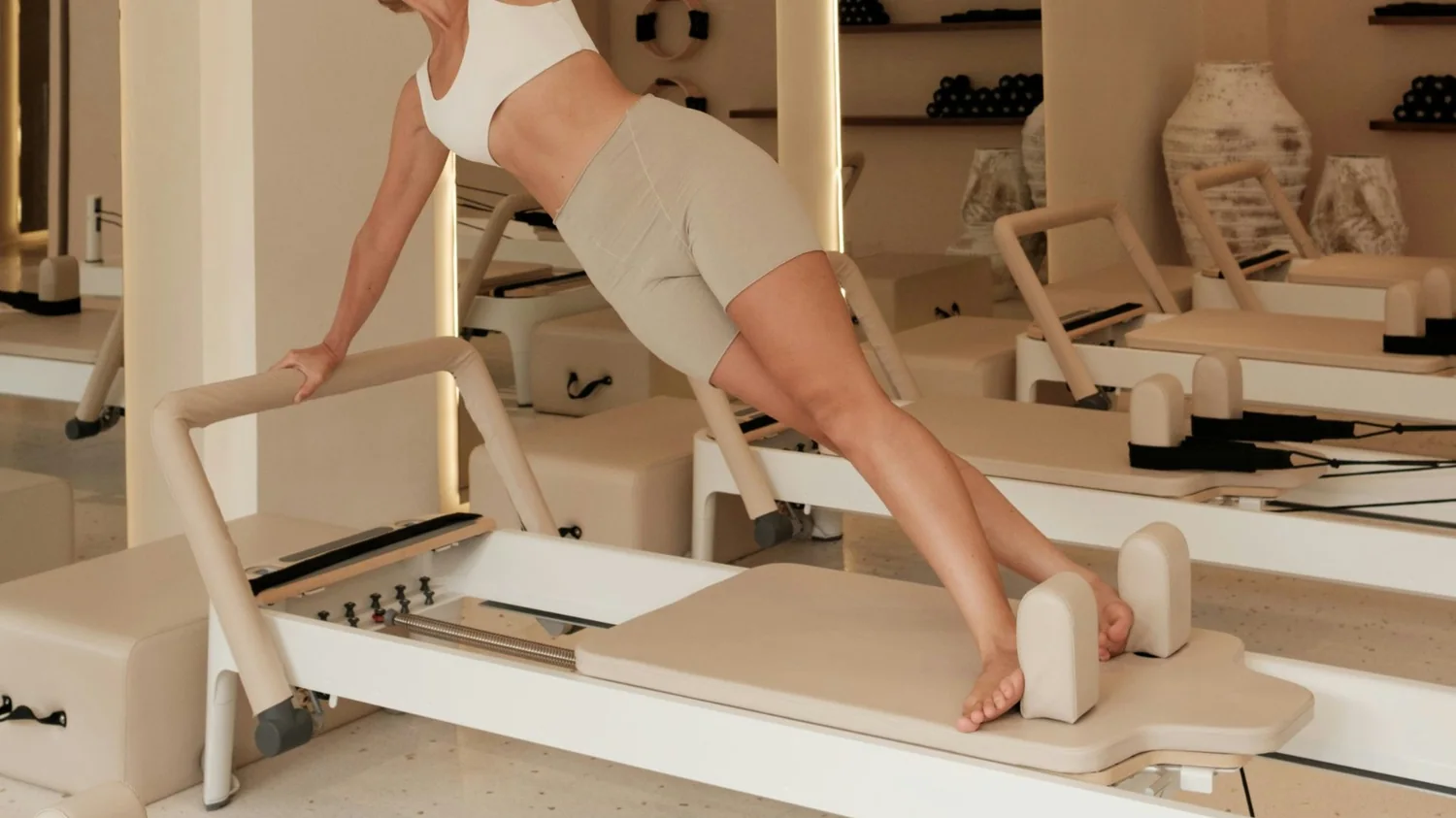
There is often a difference between what a studio promotes and what exercise science can support. The American College of Sports Medicine has identified strength training, programs for older adults, balance and core work, mobile exercise and recreation clubs among current fitness themes. These are trends in professional attention and consumer participation, rather than guarantees about a particular class. To evaluate a new format, ask which capacities are trained, how difficulty changes over time and whether the movements can be adapted by an attentive instructor. A walk is an accessible way to build regular aerobic activity without buying a membership or adopting a new fitness identity. The route and duration can change with the calendar. To turn that broad idea into an individual decision, it helps to identify which part of the experience is actually changing. The answer may involve the exercise itself, the surrounding environment or the expectations we bring to it.
What the evidence can tell us
Exercise becomes easier to assess when the question changes from how dramatic a session felt to what it asked the body to do. Some forms build aerobic capacity by keeping large muscle groups working for a sustained period; others emphasize force production, balance, coordination or range of motion. A class may combine several of these elements, and the marketing name rarely tells the full story. Watch the actual work, consider how it complements other activities, and resist assuming that an impressive-looking sequence automatically suits your present capacity. The strongest claims should survive a few straightforward questions: Who was studied, compared with what, for how long, and with what outcome? A product can be attractively made and still lack evidence for a particular medical promise. This is especially important in wellness marketing, where words such as restore, optimize and rebalance can sound scientific without stating what was actually measured. A brisk walk and a slow restorative stroll do not deliver identical training demands, yet each can serve a different purpose in a movement routine.
Try this in a real week
Start with a repeatable loop, choose a pace where conversation remains possible, and add a few minutes gradually when the habit feels sustainable. A practical test begins before the next purchase or class booking. Describe the actual problem in ordinary language, identify what would count as improvement and choose the smallest adjustment that could plausibly help. If the issue involves persistent pain or an unusual skin reaction, that decision may be to seek professional guidance rather than experimenting with another product. For everyday habits, a written note after several sessions can be more informative than a dramatic first impression.
The part that lasts
Progress is usually more ordinary than a dramatic before-and-after photograph suggests. A slightly longer comfortable walk, greater control in a familiar exercise or the ability to return to class without excessive fatigue can all signal adaptation. Exercise responses vary, and meaningful goals may include mood, recreation and daily function as well as athletic performance. Comparing one session with an influencer video tells you much less than observing your own work over an appropriate span of time. Taken together, these considerations suggest a different standard for everyday care. Pay attention to what changes the quality of your day, use public-health and clinical guidance where it applies, and recognize when a personal preference is simply a preference. That is enough to build a thoughtful practice without treating every new wellness claim as a command.